2 to 3 hours
Moroccan Pastry Class
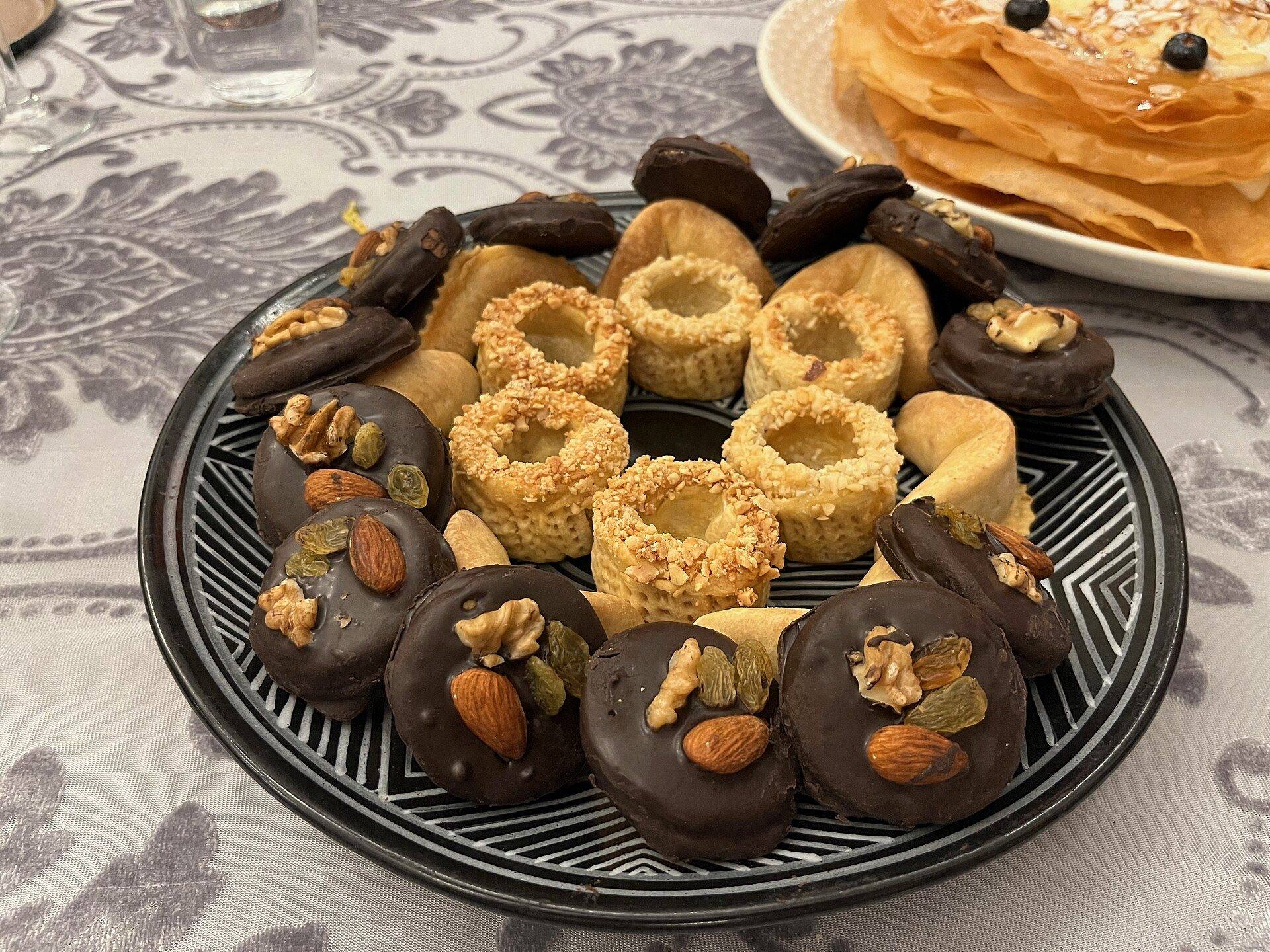
Shape almond-filled pastries, fragrant biscuits and honey-glazed sweets with a pastry maker, and enjoy them with fresh mint tea.
Moroccan culinary experience
Bread is on every Moroccan table. Learn to knead, shape and bake it the way local families do.
About this experience
In Morocco, bread is not a side dish; it is the utensil. It is used to scoop up tagines, salads and sauces, and it is treated with respect: a piece found on the ground is often picked up and placed somewhere clean.
A bread-making experience introduces the everyday breads of Morocco. You might shape round loaves of khobz, fold and stretch msemen into flaky squares, or mix semolina harcha. In some neighbourhoods you may also see how families still send their dough to a shared wood-fired oven, the ferran, to be baked.
The experience
Every host has their own style, but most experiences follow a similar rhythm.
Learn the simple doughs of flour, semolina, water, yeast and salt, and how to knead them by hand.
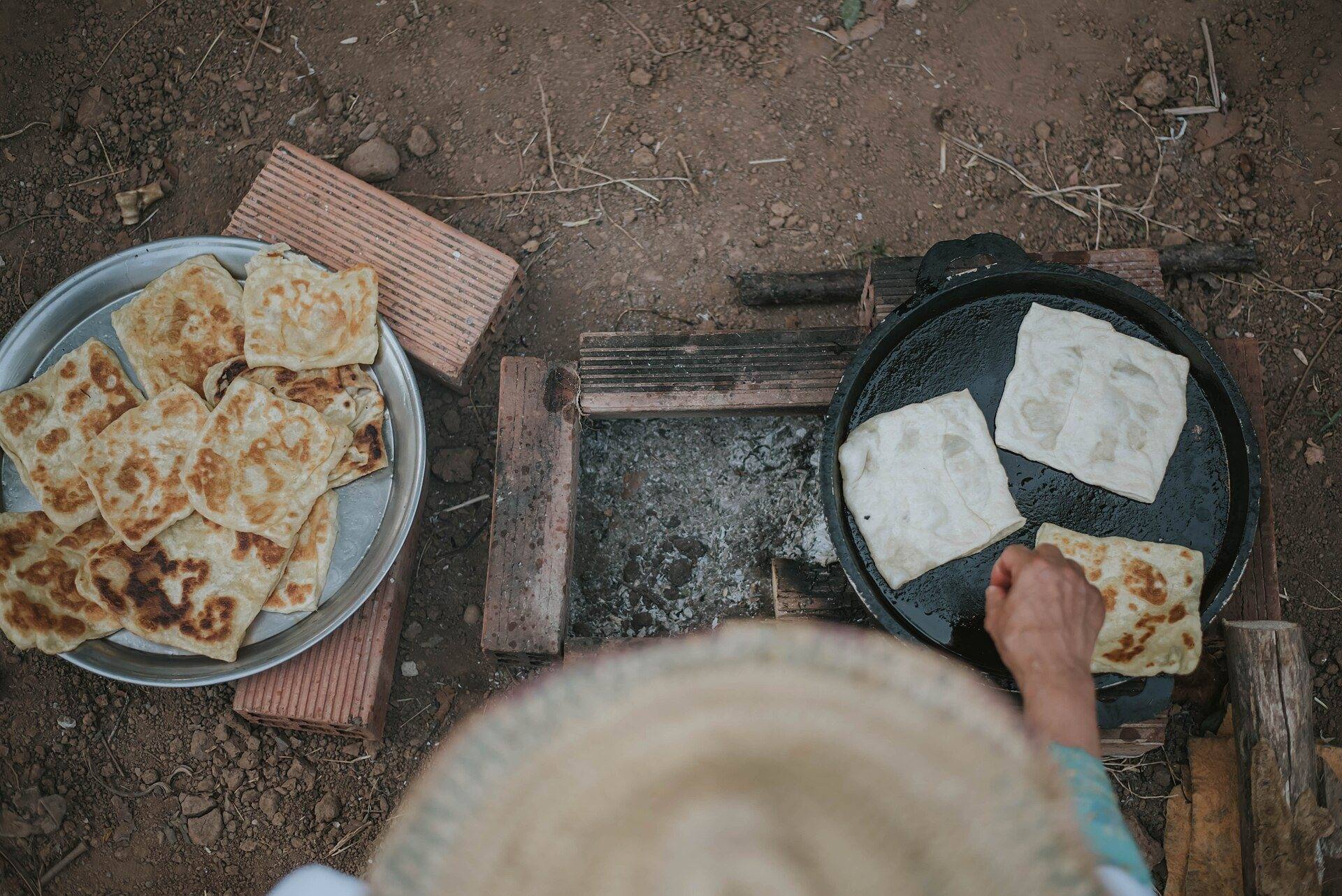
Form round khobz, or stretch and fold msemen into thin, layered squares.
Cook bread in an oven, a clay oven or on a hot griddle, depending on the host and the bread.
Enjoy fresh bread with olive oil, honey, butter or amlou, often with mint tea.
On the menu
Menus depend on the season, the host and your preferences. These are dishes often taught in this experience.
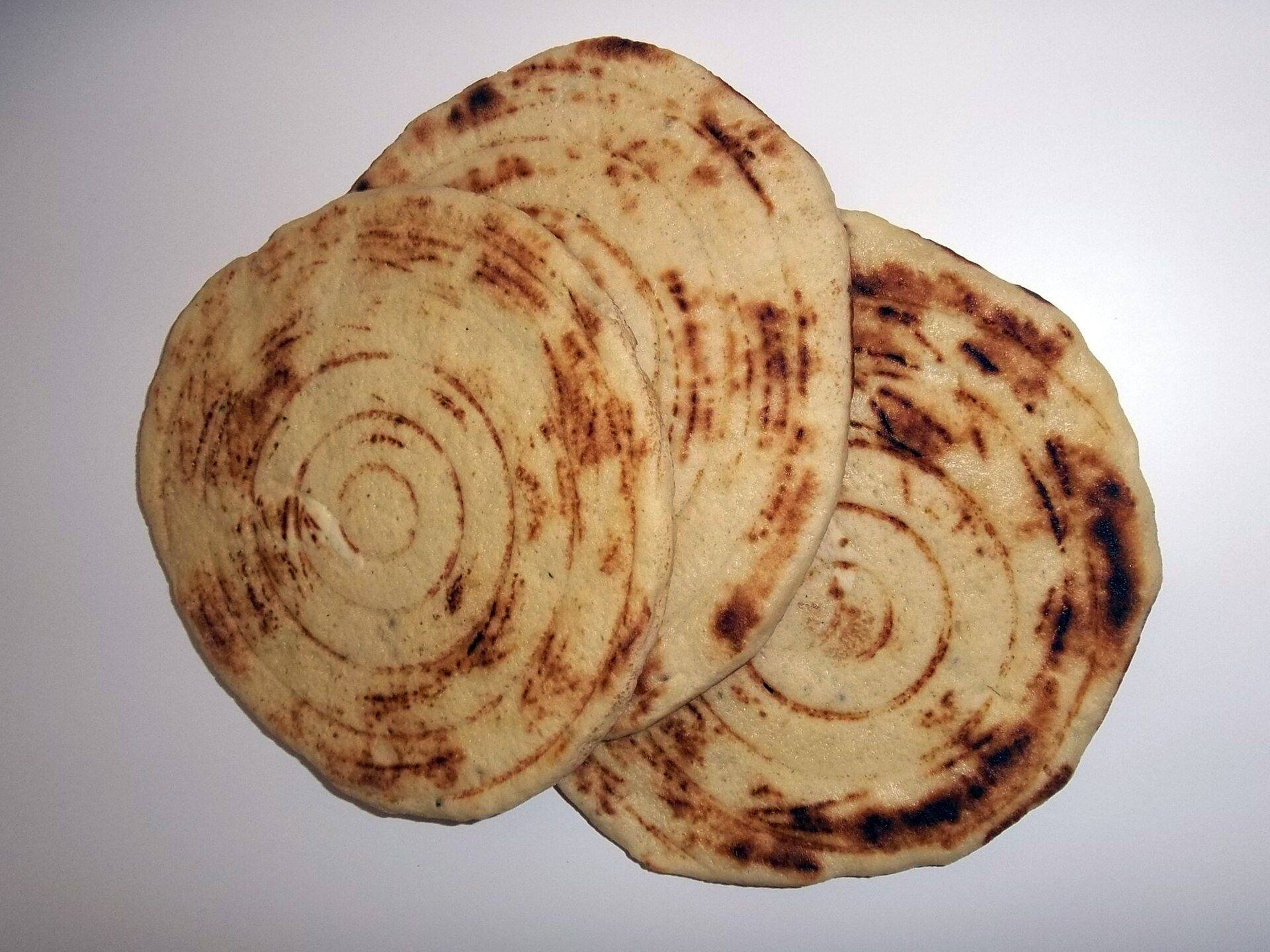
The everyday round loaf, made with white or wholewheat flour and semolina.
Square, flaky flatbreads cooked on a griddle, often eaten for breakfast.
Semolina griddle bread with a crumbly, buttery texture.
“Thousand-hole” semolina pancakes, served with honey and butter.
Stuffed bread from the south, especially around Merzouga and Rissani.
Cultural context
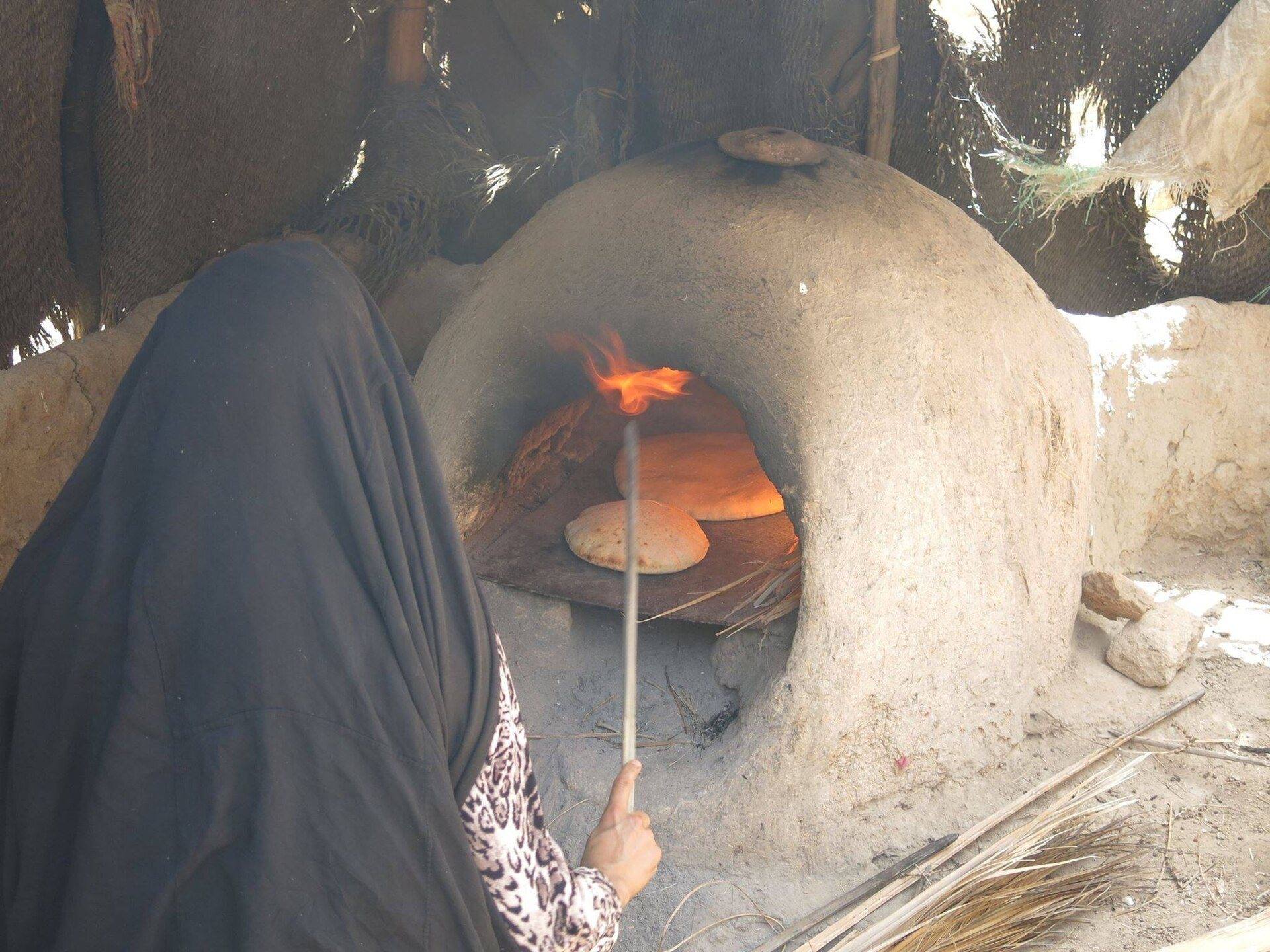
In the old medinas, many families do not bake bread at home. Instead, dough is prepared in the morning, marked or placed on a tray, and carried to the ferran, a wood-fired communal oven run by a baker who knows every household’s loaves.
In the desert south, bread can be baked in clay ovens or even buried in hot sand and embers. The variety of breads across Morocco reflects its landscapes, from the cities to the mountains and the Sahara.
How long it takes
Typically 2 to 3 hours
Indicative only. Dough needs time to rise, so some hosts combine bread-making with a cooking class.
Who it is for
Where
Availability depends on the season, the day of the week and our local partners in each city. Tell us your dates and we will confirm what is possible.
Good to know
Where it is possible and appropriate, some hosts include a short visit to a neighbourhood ferran. It depends on the city and the host, so let us know if it matters to you.
Yes, it is one of the best experiences for children. Kneading and shaping dough is very hands-on and the results are quick to enjoy.
Traditional Moroccan breads are made with wheat or semolina and contain gluten. If you need gluten-free food, we recommend a cooking class with naturally gluten-free dishes instead.
Plan your experience
Tell us where and when you would like to cook. We will contact suitable local partners, check availability and send you a personalised offer with the final price.
Request a personalized experience
Share a few details and we will prepare your message to our team. We will contact suitable local partners, check availability and send you a personalised offer. It is free and there is no obligation.
Nothing opened? Write to us at [email protected].
You may also enjoy
2 to 3 hours
Shape almond-filled pastries, fragrant biscuits and honey-glazed sweets with a pastry maker, and enjoy them with fresh mint tea.
2 to 3 hours
A relaxed, hands-on cooking experience for parents and children, with simple dishes, bread to shape and sweets to decorate.
1 to 1.5 hours
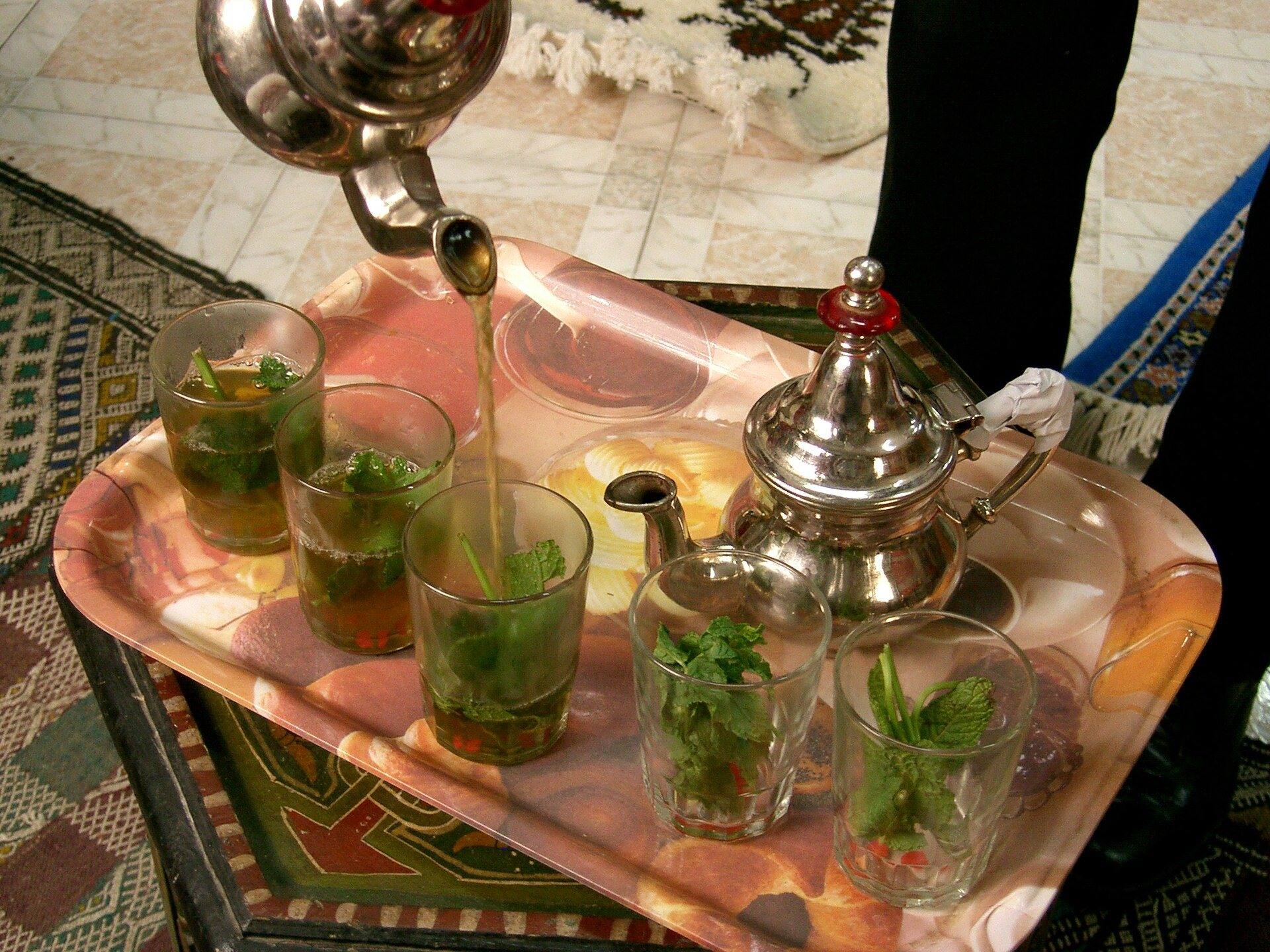
Learn the ritual of Moroccan mint tea, from rinsing the green tea to pouring from height, with the stories and etiquette behind it.