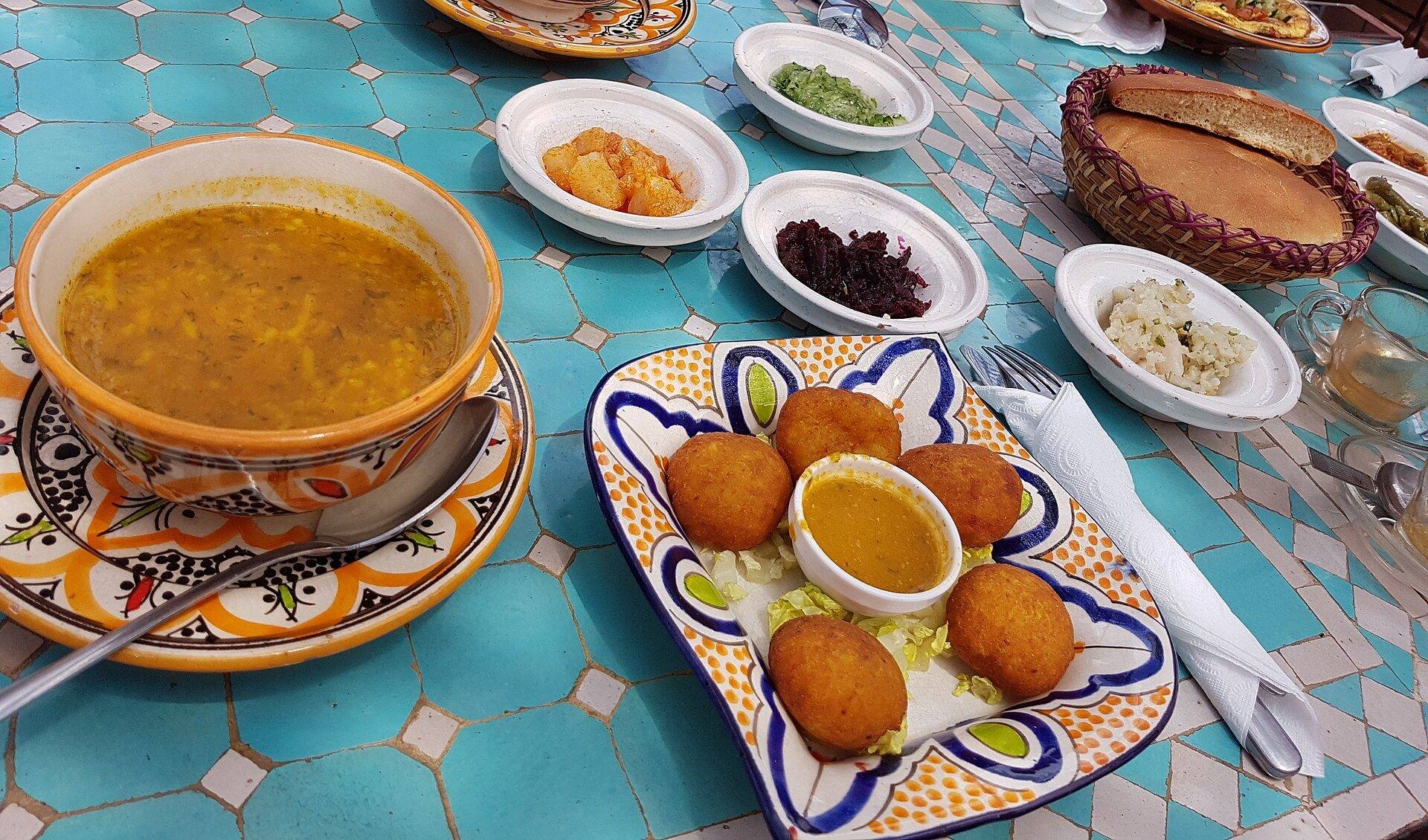
3 to 4 hours, including the meal
Traditional Moroccan Cooking Class
Learn a complete Moroccan meal, from cooked salads to a slow-simmered tagine, with a local chef or home cook, then sit down to eat what you have made.
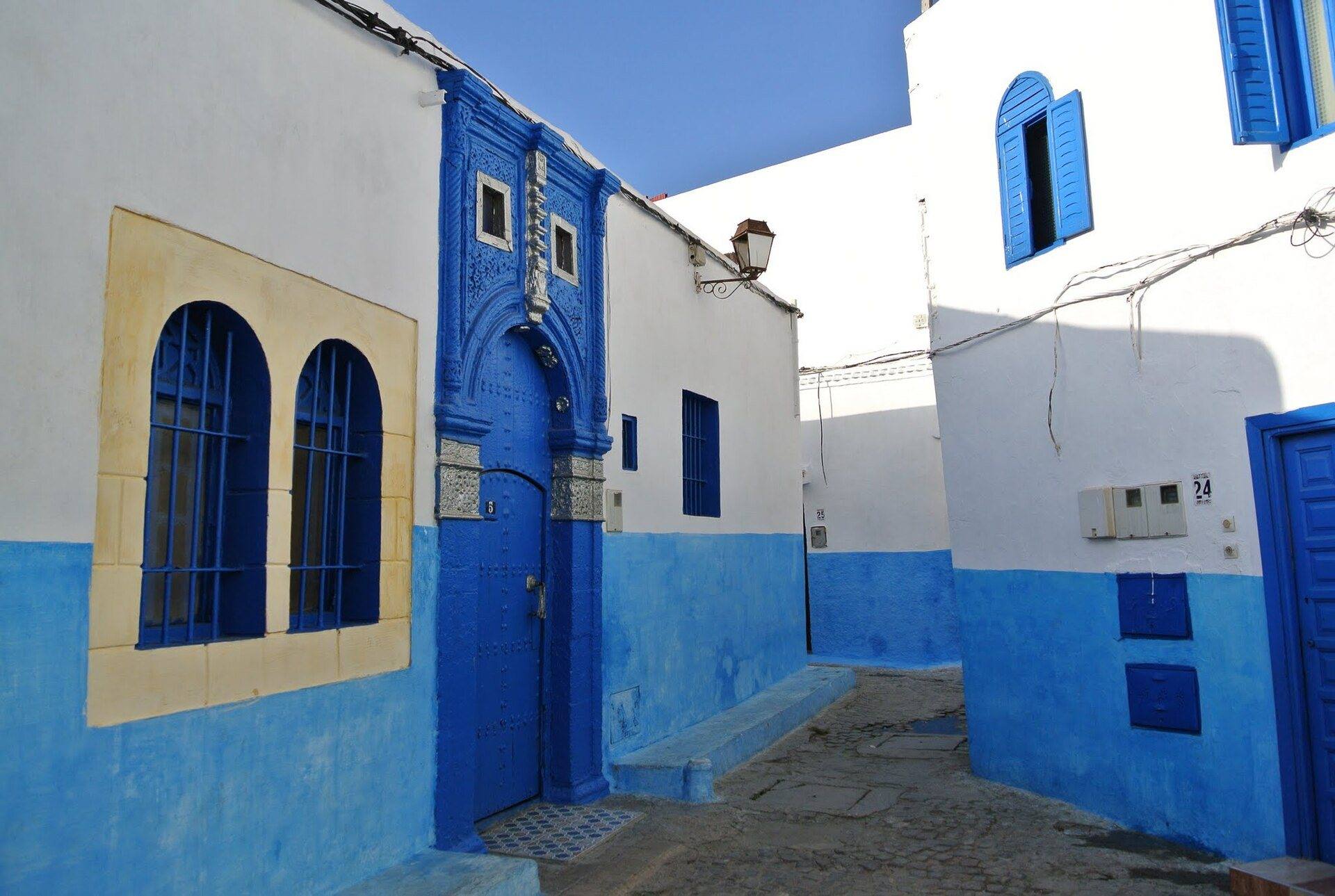
Rabat, Morocco
Discover the calm, refined cooking of Morocco’s capital, shaped by Andalusian heritage and the Atlantic coast.
Local food culture
Rabat is Morocco’s capital, a calm and green city on the Atlantic at the mouth of the Bou Regreg river, facing the old town of Salé. Its historic centre is listed by UNESCO, and the white and blue lanes of the Kasbah of the Udayas overlook the ocean.
In the 17th century Rabat and Salé received many Moriscos from Andalusia, and their influence is still felt in the city’s cooking. Rabati cuisine is known for its finesse, with elegant pastries, sweet and savoury dishes, and careful home cooking passed down through families.
As a capital and coastal city, Rabat also offers excellent fish, as well as all the Moroccan classics: couscous on Fridays, harira, seffa, and pastries for every celebration.
Cooking experiences in Rabat
Rabat is a relaxed place for a cooking class, with fewer crowds than Marrakech and Fes and a strong tradition of home cooking and pastry.
Availability depends on the season, the day of the week and our local partners in each city. Tell us your dates and we will confirm what is possible.
3 to 4 hours, including the meal
Learn a complete Moroccan meal, from cooked salads to a slow-simmered tagine, with a local chef or home cook, then sit down to eat what you have made.
2 to 3 hours
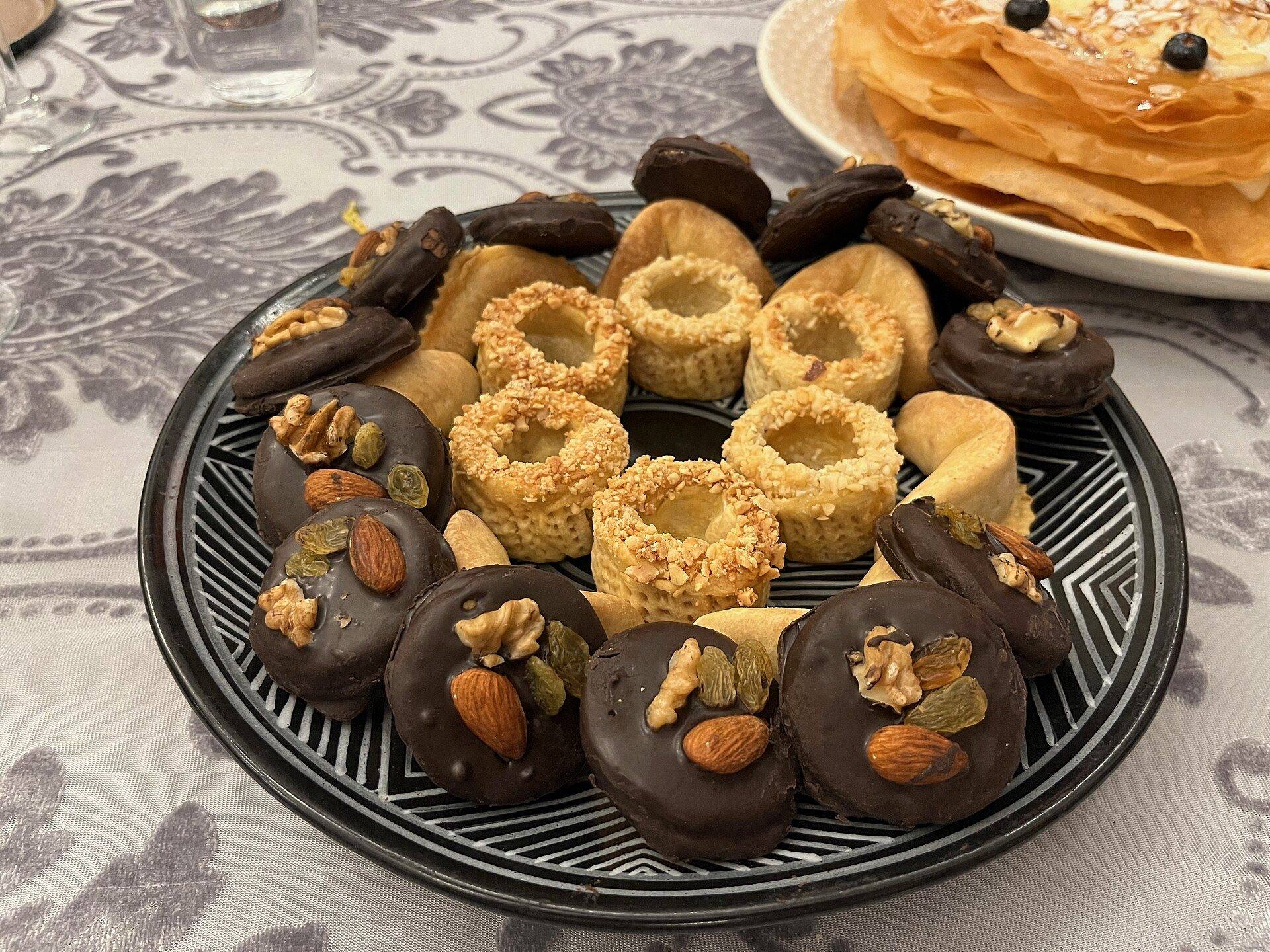
Shape almond-filled pastries, fragrant biscuits and honey-glazed sweets with a pastry maker, and enjoy them with fresh mint tea.
3 to 4 hours
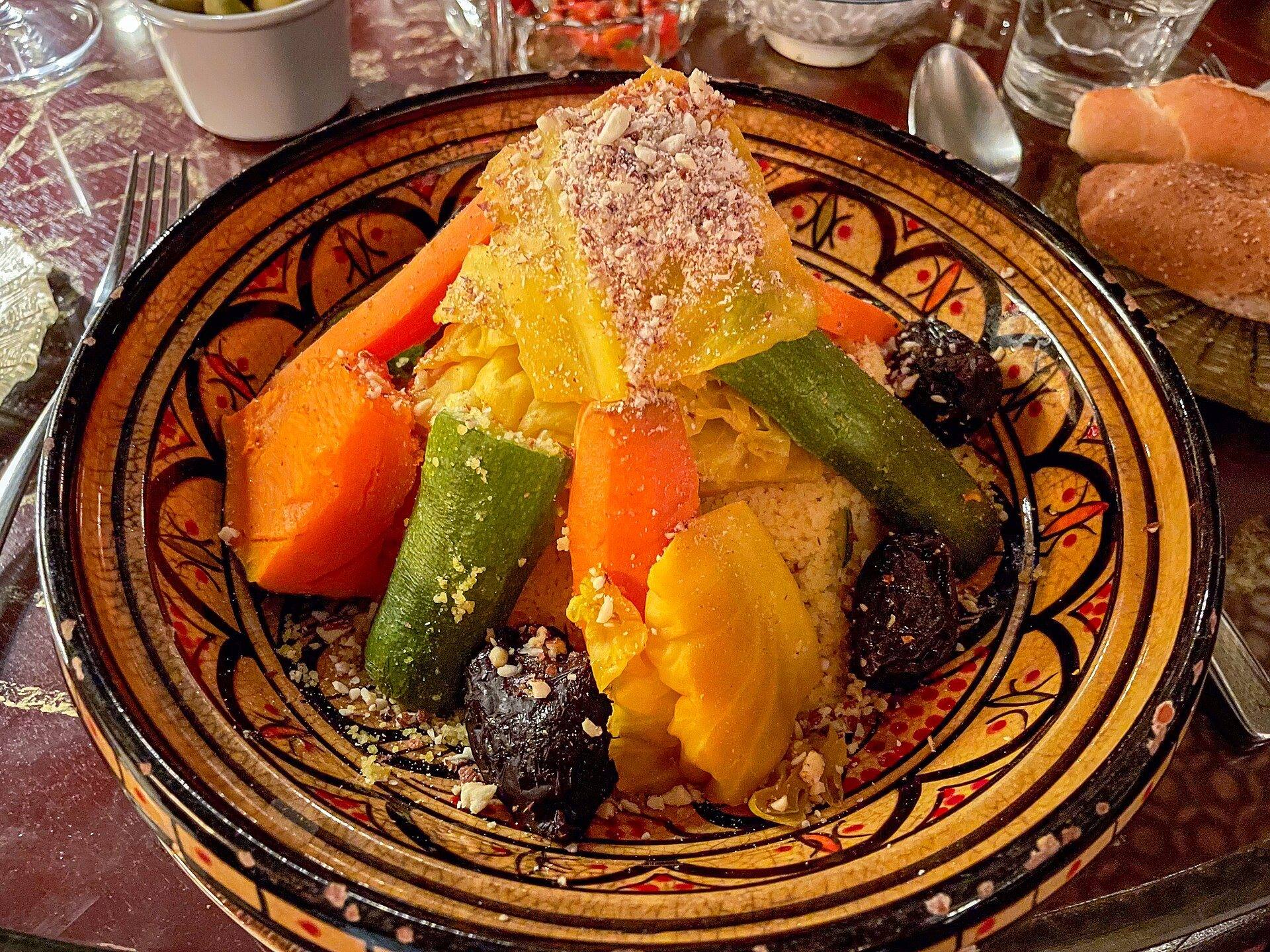
Discover how couscous is rolled, steamed and fluffed by hand, and cook the vegetable and meat broth that is served with it.
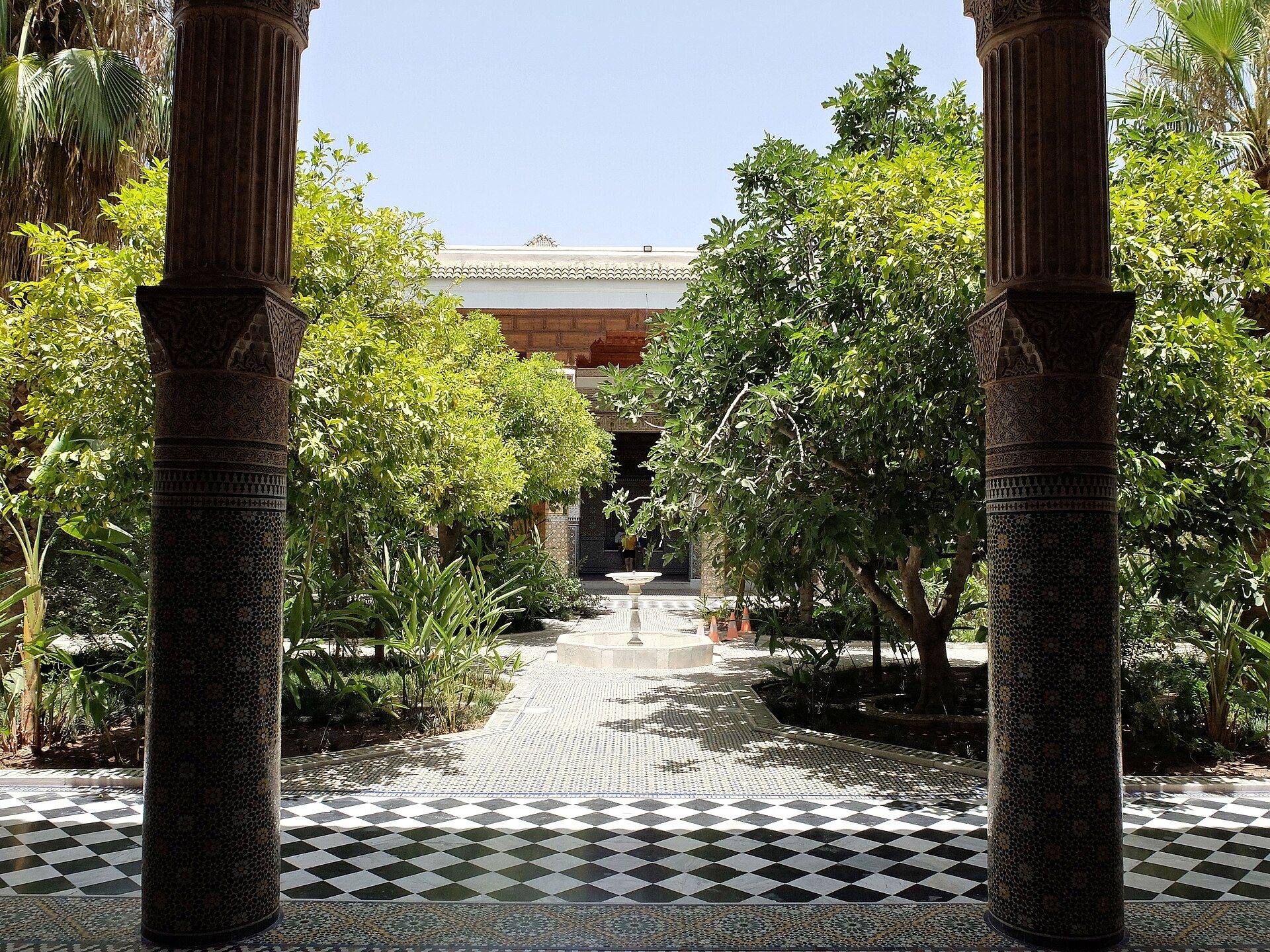
3 to 4 hours
A cooking class just for you, your partner, family or friends, with a menu, time and setting tailored to your group.
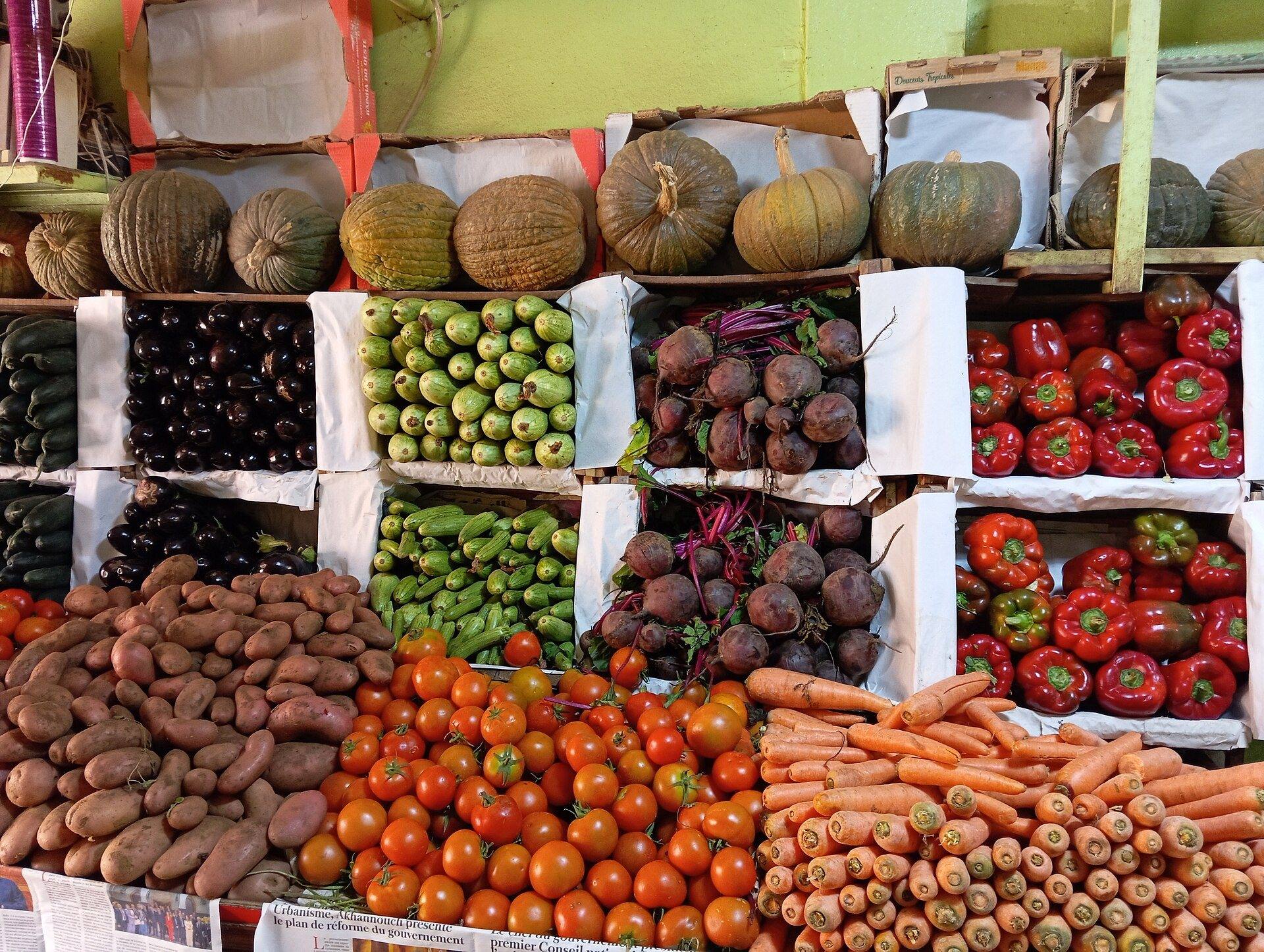
4 to 5 hours, market included
Shop for vegetables, herbs and spices in a local market with your cook, then turn them into a Moroccan meal.
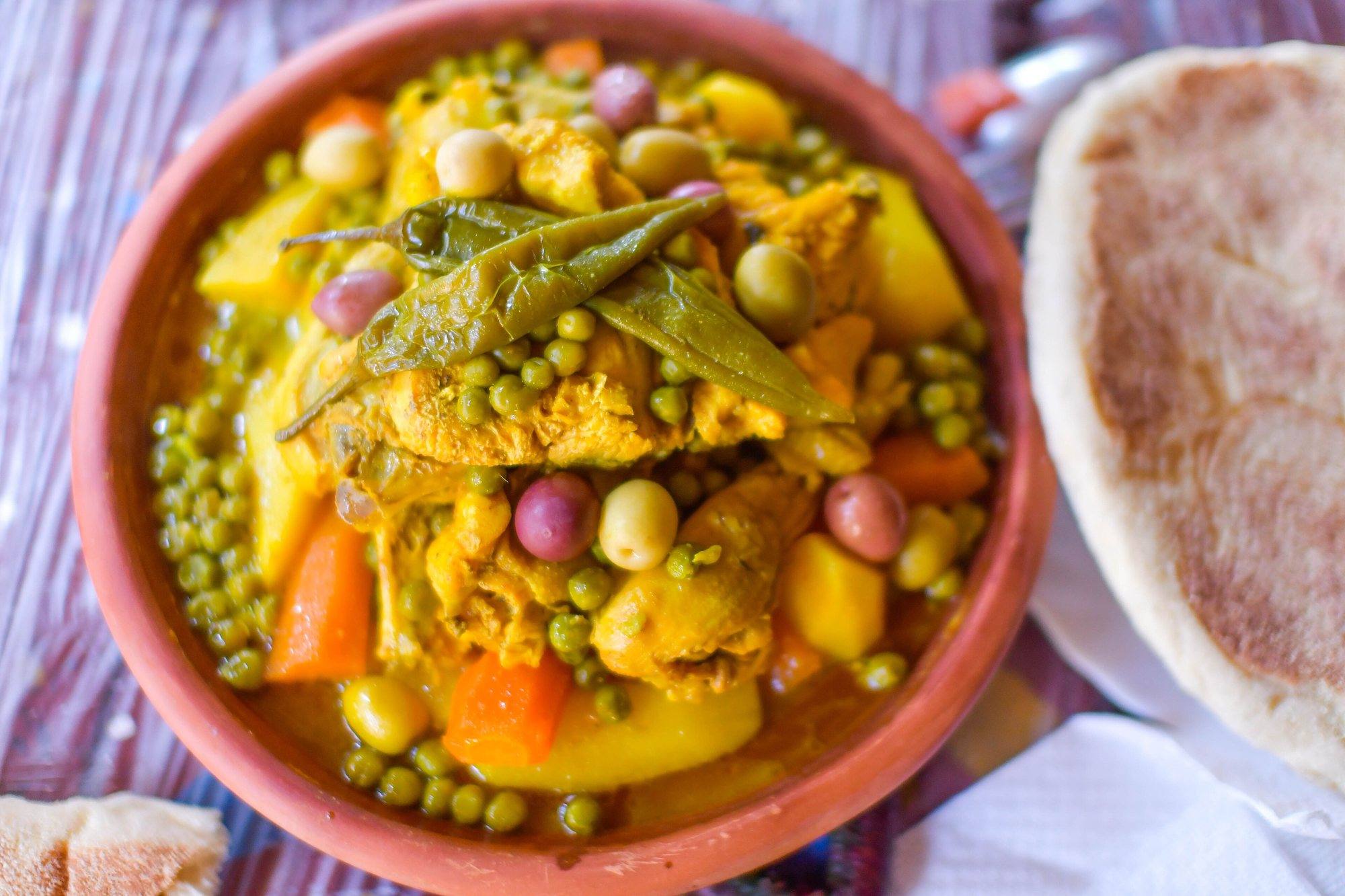
3 to 4 hours
Master Morocco’s signature slow-cooked dish: layering meat or vegetables, spices and aromatics in a clay tagine and letting time do the rest.
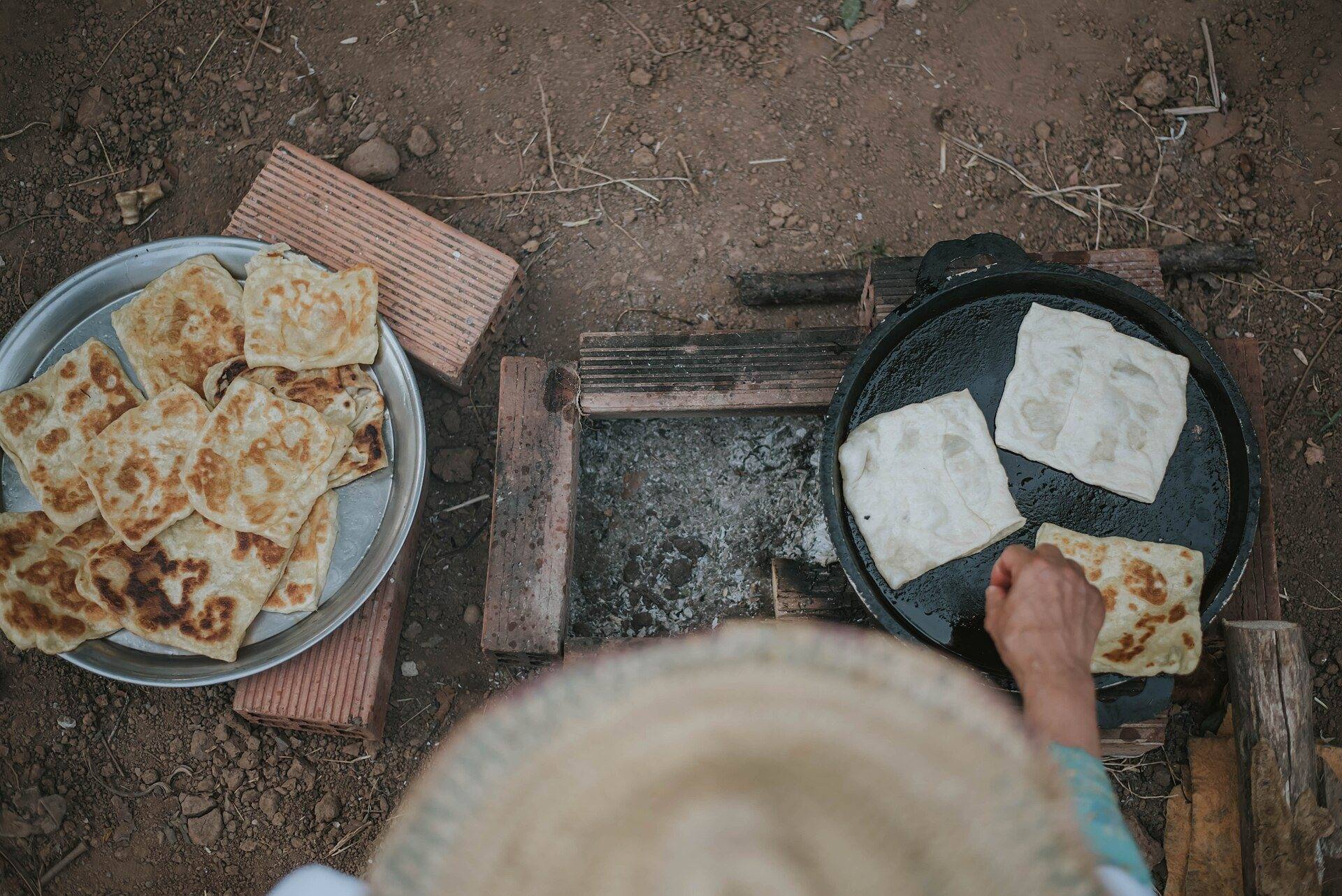
2 to 3 hours
A relaxed, hands-on cooking experience for parents and children, with simple dishes, bread to shape and sweets to decorate.
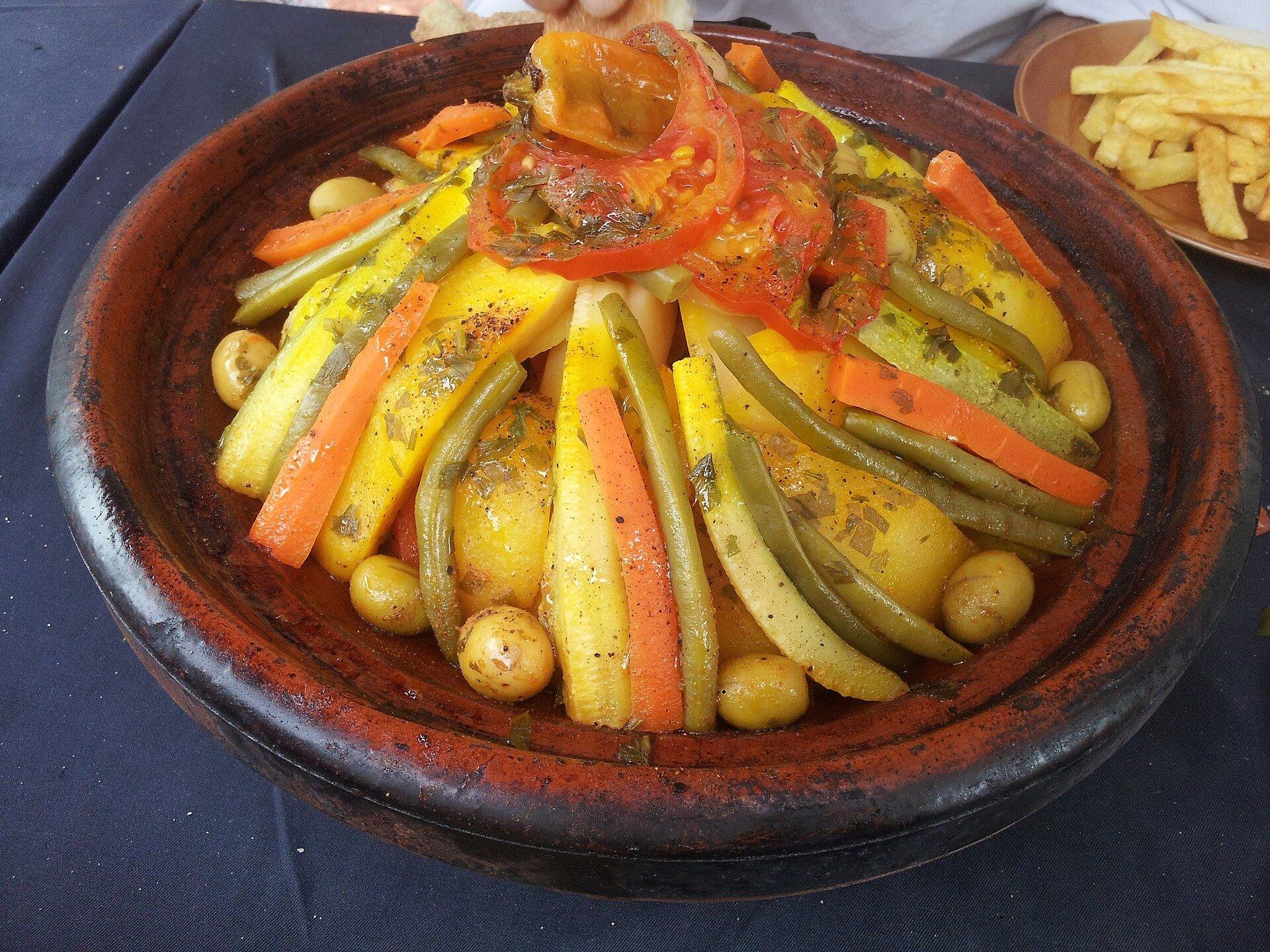
3 to 4 hours
Discover the rich vegetarian side of Moroccan cooking: vegetable tagines, cooked salads, lentils, chickpeas and herb-filled dishes.
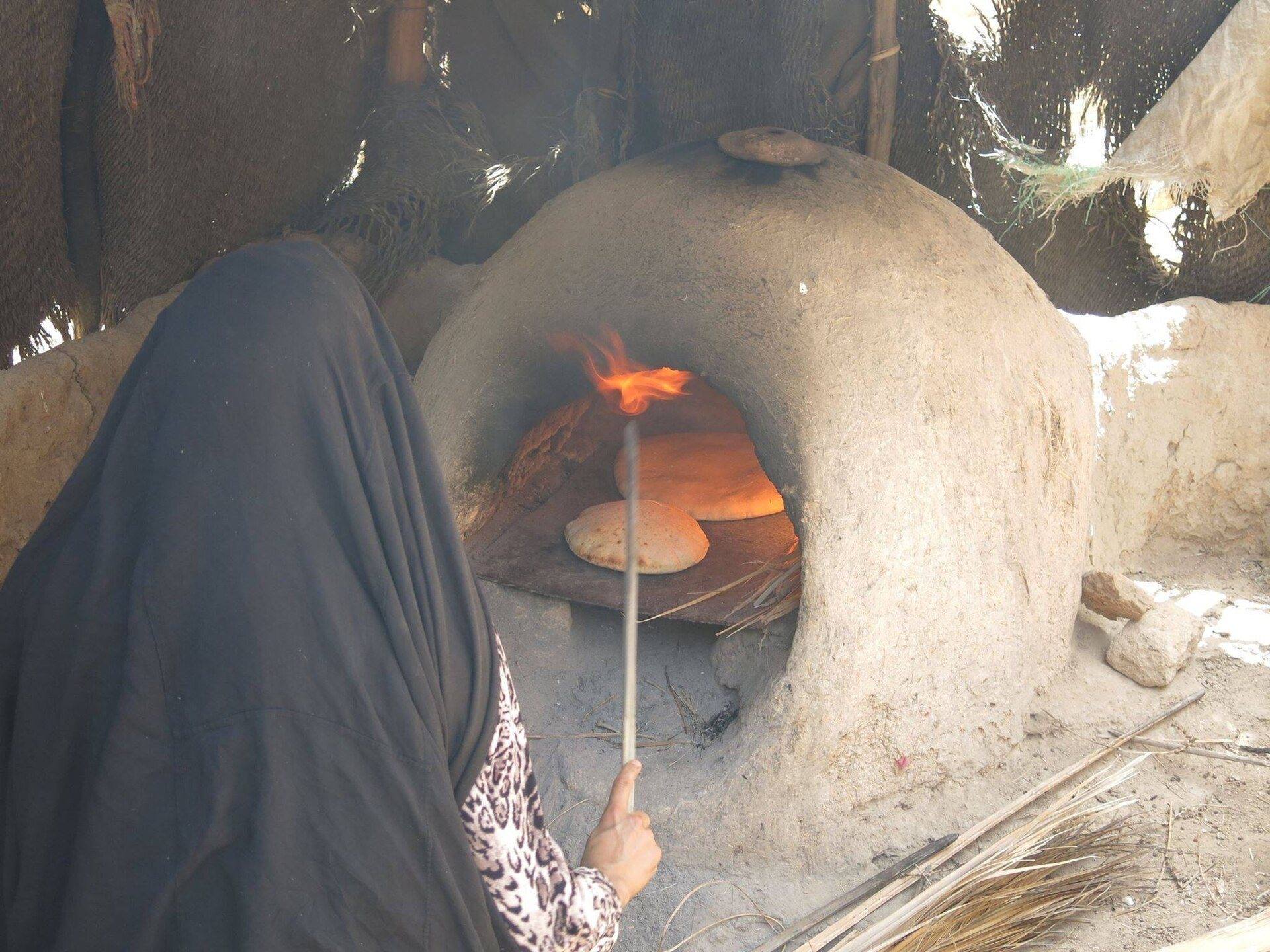
2 to 3 hours
Knead and shape khobz, cook msemen on a hot griddle, and learn about the neighbourhood ovens that still bake bread for families.
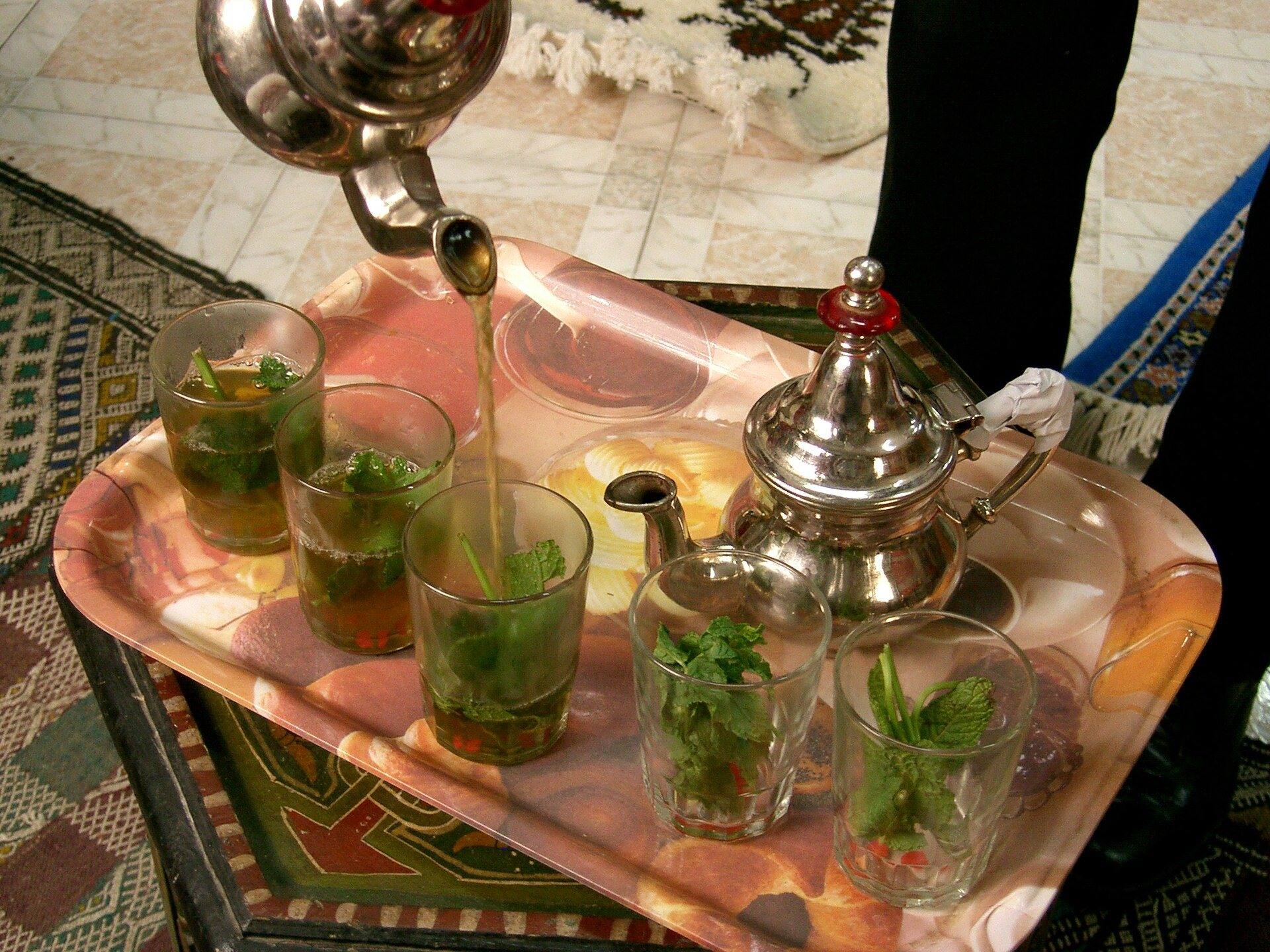
1 to 1.5 hours
Learn the ritual of Moroccan mint tea, from rinsing the green tea to pouring from height, with the stories and etiquette behind it.
Regional flavours
Sweet steamed vermicelli or couscous with almonds, cinnamon and sugar, sometimes with chicken.
Almond and honey sweets made for celebrations.
The Friday family lunch, prepared with care in Rabati homes.
From the Atlantic coast and the Bou Regreg estuary.
Local hosts
Experiences in Rabat often take place in family homes in the medina or in residential neighbourhoods, with hosts who enjoy sharing the refined home cooking the city is known for.
Markets
Rabat’s medina is compact and easy to explore, with food stalls, spice sellers, bakeries and olive merchants along its main streets. It is a calm place to learn about ingredients before a class.
Compact and relaxed, with food streets and spice sellers.
A historic quarter overlooking the ocean, ideal for mint tea.
The twin city across the river, with its own traditional markets.
Private and group experiences
Rabat suits private classes for couples and families, as well as groups and professional visitors. It is also convenient for diplomatic and business travellers looking for a cultural experience.
Good to know
Yes. We can look for cooking classes in Rabat with local cooks and families, including private and pastry-focused experiences.
Rabat is known for refined home cooking with Andalusian influences, elegant pastries, seffa and fresh fish from the Atlantic.
Plan your experience
Tell us your dates and what you would like to cook in Rabat. We will contact suitable local partners, check availability and send you a personalised offer.
Request a personalized experience
Share a few details and we will prepare your message to our team. We will contact suitable local partners, check availability and send you a personalised offer. It is free and there is no obligation.
Nothing opened? Write to us at [email protected].
From the journal
Gazelle horns, chebakia, ghriba, briouats, sellou and more: a guide to the most loved Moroccan pastries and sweets, when they are eaten and where to find them.
Why Moroccan couscous is steamed, not boiled, how it is rolled and served, the Friday tradition behind it, and the difference between couscous and tagine.
Continue your journey
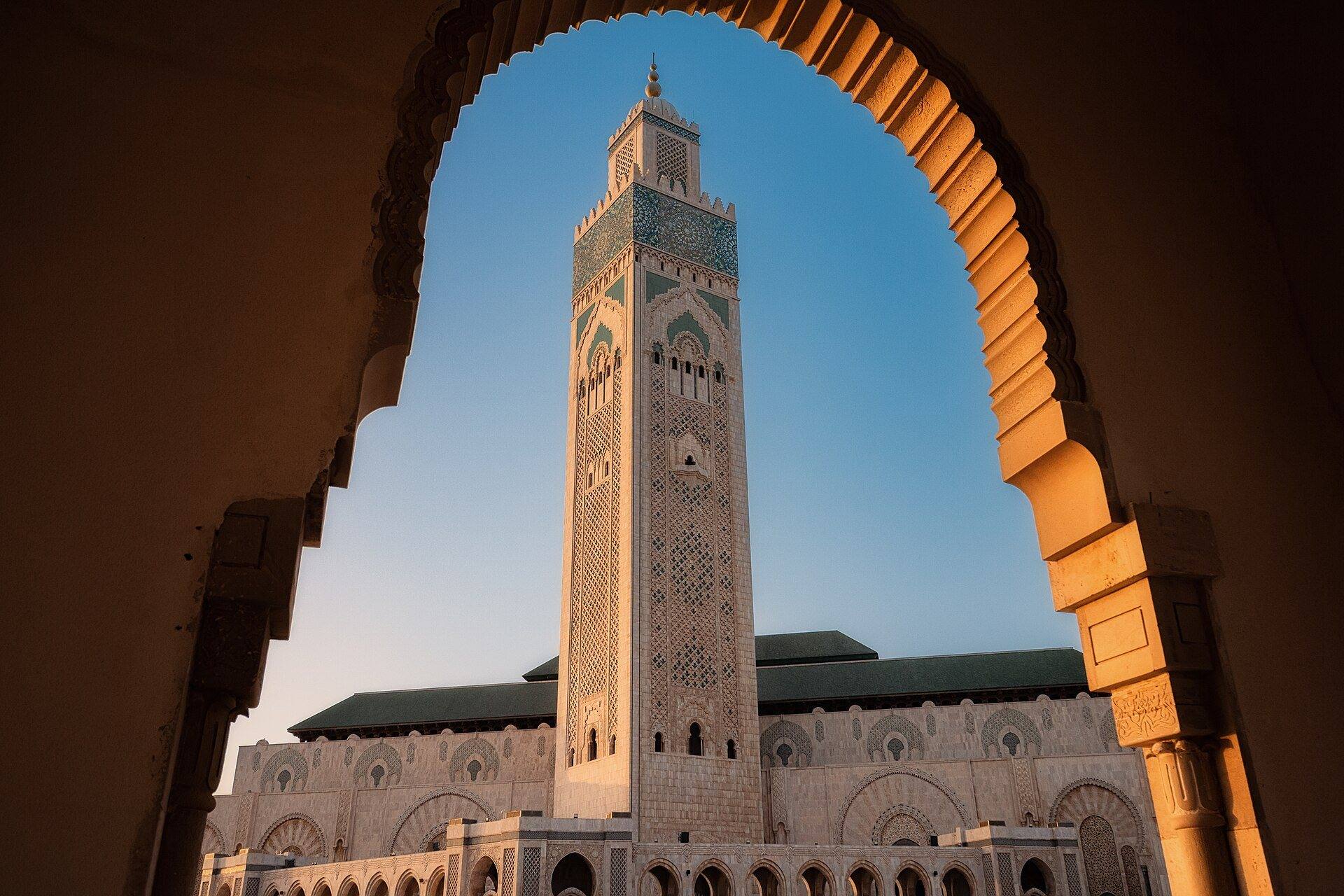
Casablanca-Settat
Morocco’s largest city: Atlantic seafood, a famous central market and modern Moroccan home cooking.
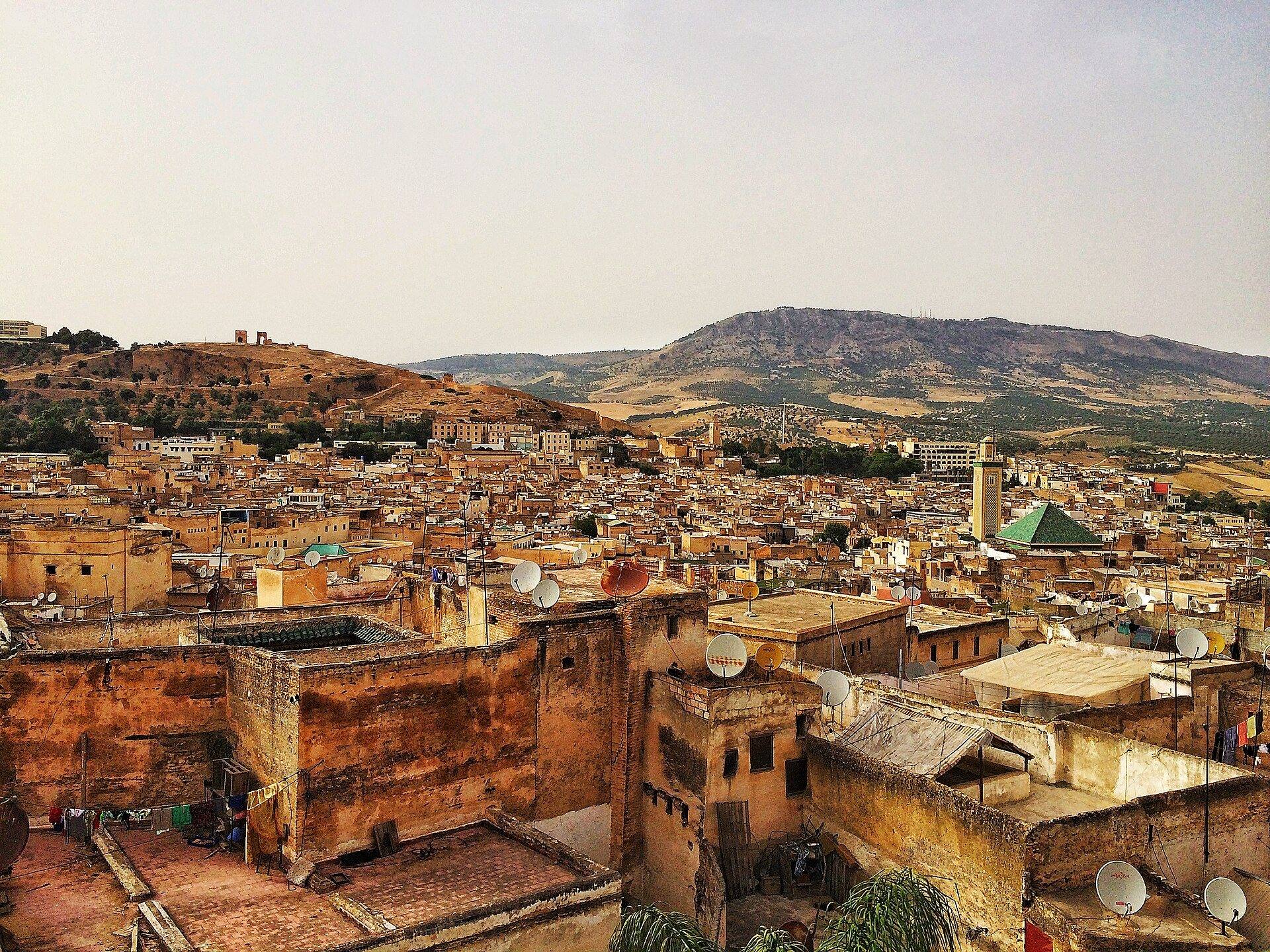
Fès-Meknès
Morocco’s historic culinary capital, known for pastilla, refined home cooking and a living medina.
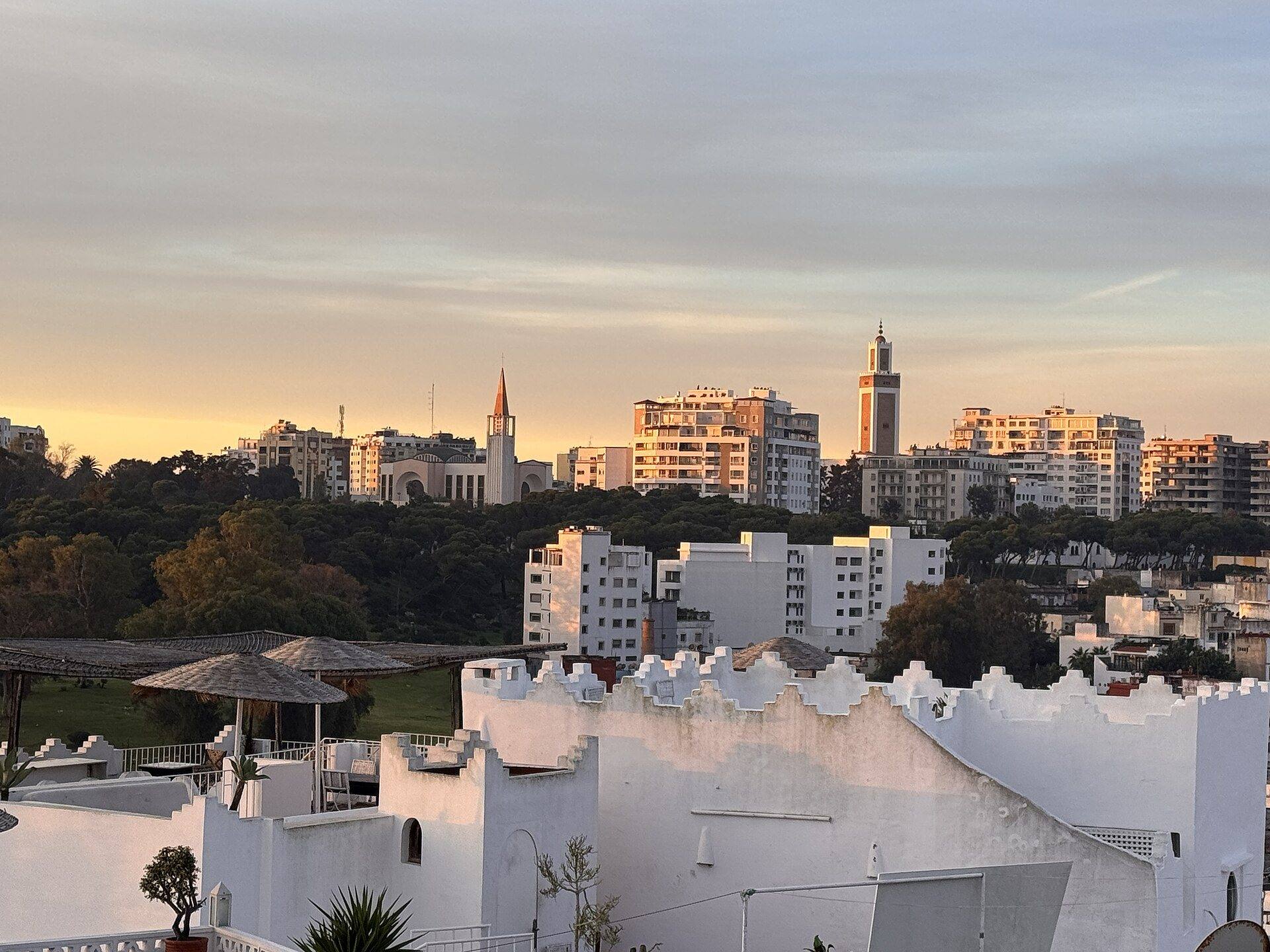
Tanger-Tétouan-Al Hoceïma
Where Africa meets Europe: bissara, fresh fish, calentica and mint tea above the Strait of Gibraltar.