1 to 1.5 hours
Moroccan Mint Tea Experience
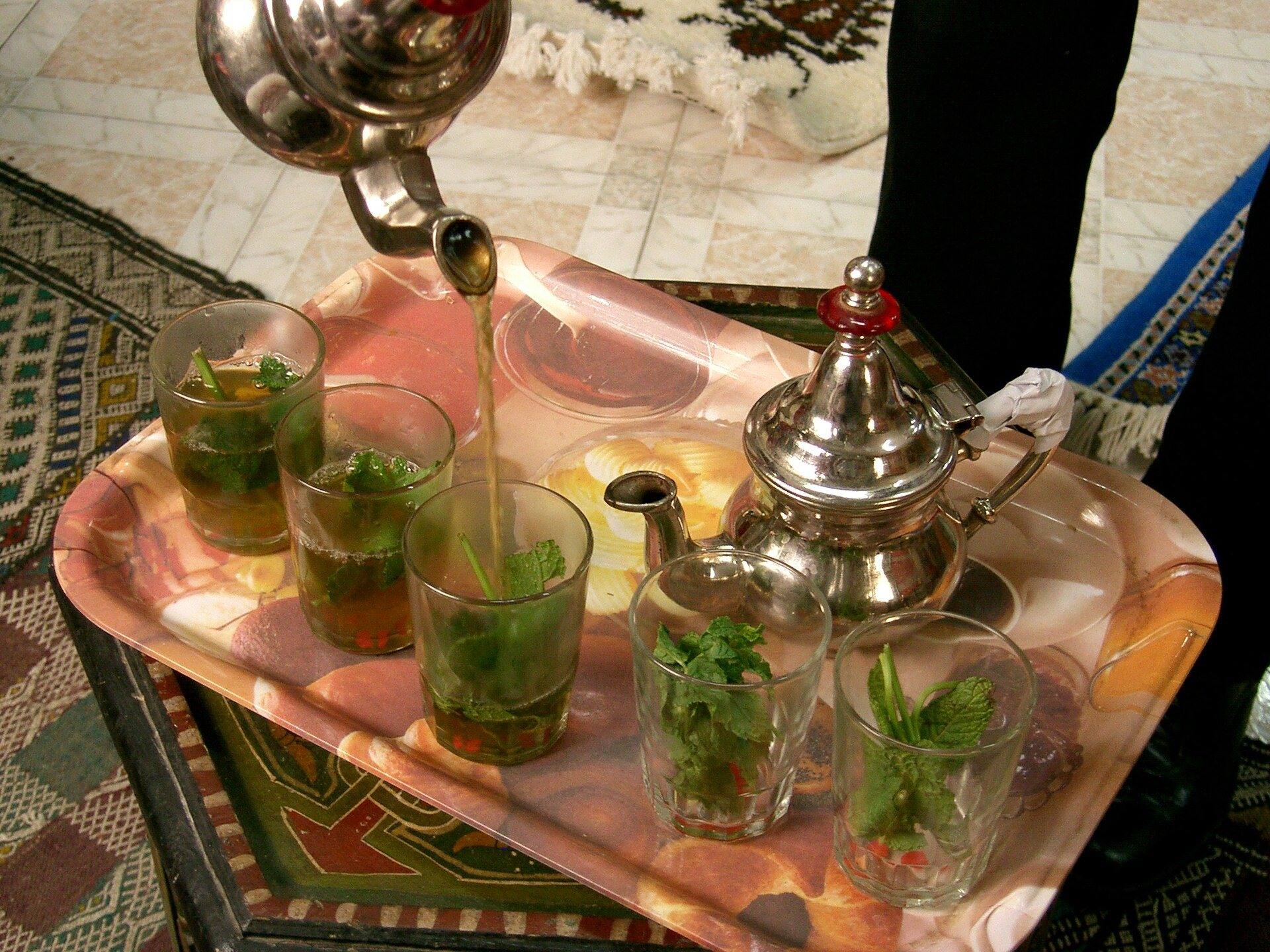
Learn the ritual of Moroccan mint tea, from rinsing the green tea to pouring from height, with the stories and etiquette behind it.
Moroccan culinary experience
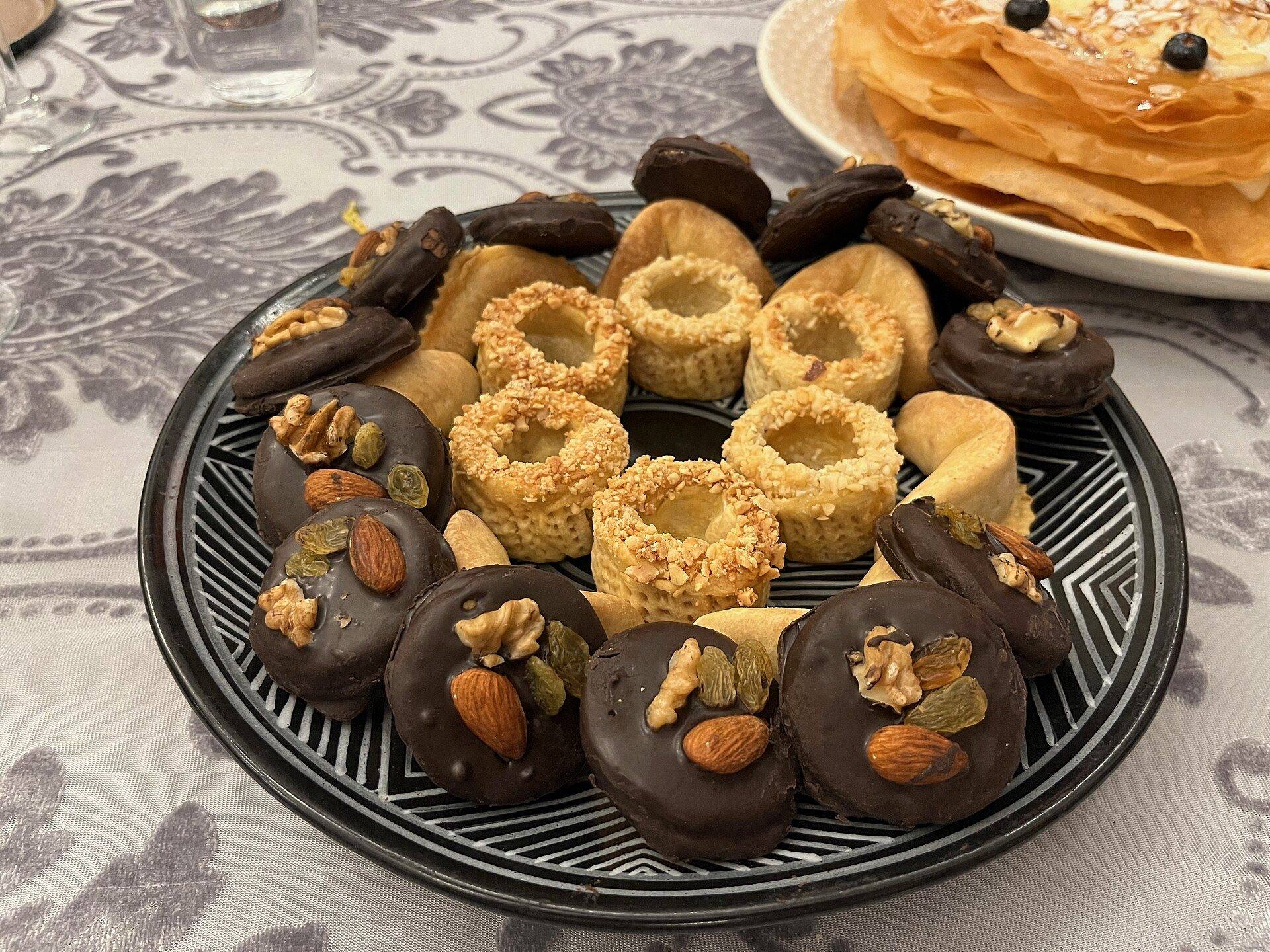
Almonds, orange blossom, honey and sesame: learn the delicate art of Moroccan sweets with a local pastry maker.
About this experience
Moroccan pastries are made for sharing. Trays of biscuits and almond sweets appear with tea for guests, at weddings and during Eid, and many families still prepare them at home in large batches.
A pastry class introduces you to the fine, patient work behind them: kneading and stretching dough, grinding almond paste, shaping, frying or baking, and finishing with honey or powdered sugar. It is a calm, detailed experience that suits anyone with a sweet tooth.
The experience
Every host has their own style, but most experiences follow a similar rhythm.
Blanch and grind almonds with sugar, butter and orange blossom water, the base of many sweets.
Roll thin dough around almond paste to form crescents, cigars or rosettes.
Learn which pastries are baked and which are fried and dipped in honey.
Classes usually end with a tea service and a tasting of everything you have made.
On the menu
Menus depend on the season, the host and your preferences. These are dishes often taught in this experience.
Crescent-shaped pastries filled with almond paste.
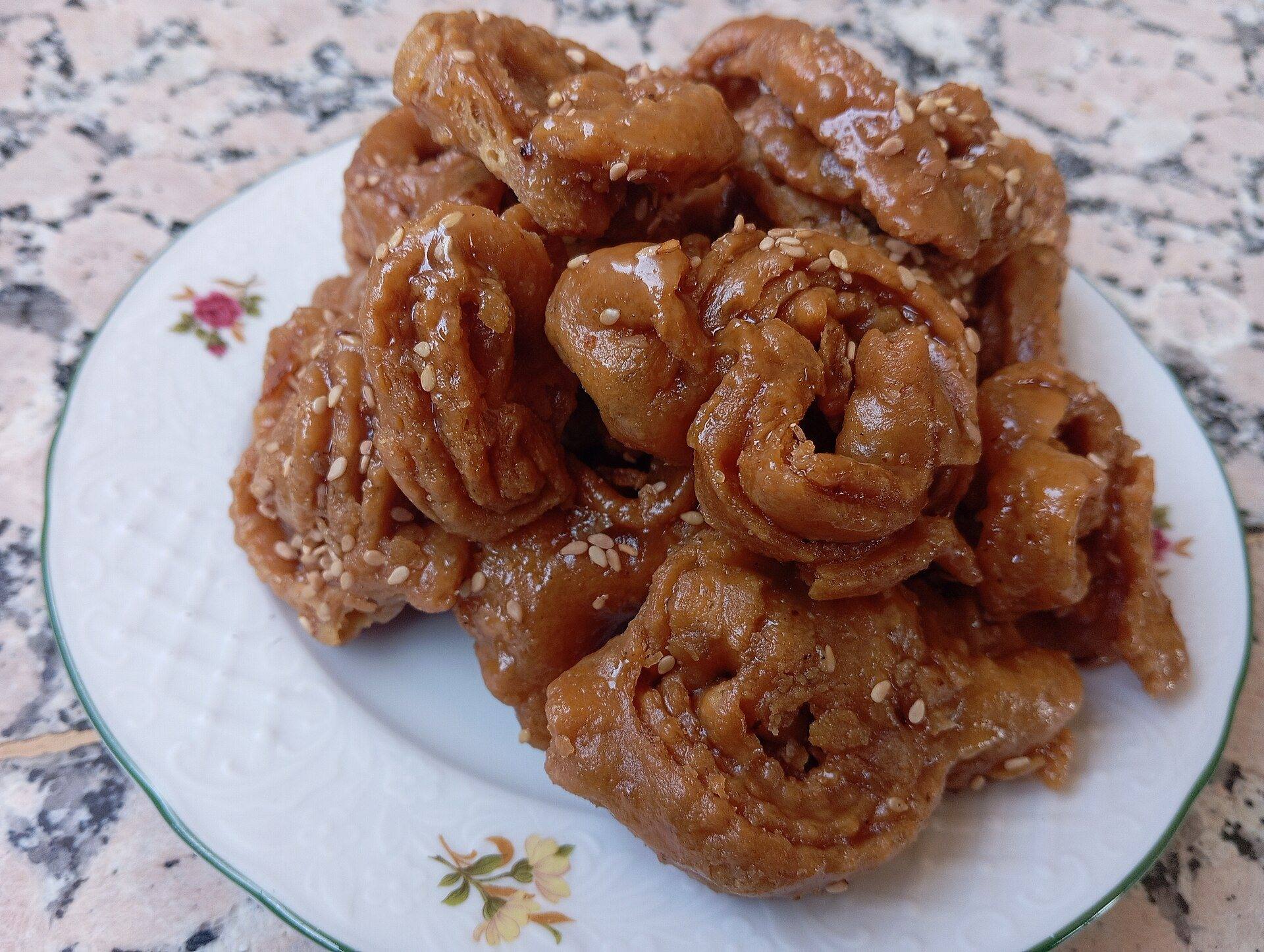
Flower-shaped sesame cookies fried and glazed in honey, closely associated with Ramadan.
Crackled almond or coconut cookies with a soft centre.
Crisp triangles or cigars of thin pastry filled with sweet almond paste.
Twice-baked biscuits with almonds and raisins, perfect with tea.
Cultural context
The refined pastry traditions of cities such as Fes, Rabat and Tetouan were shaped in part by Andalusian influences, and the use of almonds, orange blossom and honey runs through them.
Preparing sweets is often a social activity: relatives and neighbours gather in the weeks before a wedding or Eid to make hundreds of pieces together.
How long it takes
Typically 2 to 3 hours
Indicative only. Some pastries need resting time, so the selection depends on the length of the class.
Who it is for
Where
Availability depends on the season, the day of the week and our local partners in each city. Tell us your dates and we will confirm what is possible.
Good to know
Some, such as gazelle horns, need practice to shape neatly, but your host will guide every step. Cookies such as ghriba are very approachable for beginners and children.
Usually you can take home what you do not eat. Hosts often provide a box for the journey.
Most traditional pastries are based on almonds, peanuts, sesame or other nuts and seeds. Please tell us about any allergy when you inquire.
Plan your experience
Tell us where and when you would like to cook. We will contact suitable local partners, check availability and send you a personalised offer with the final price.
Request a personalized experience
Share a few details and we will prepare your message to our team. We will contact suitable local partners, check availability and send you a personalised offer. It is free and there is no obligation.
Nothing opened? Write to us at [email protected].
You may also enjoy
1 to 1.5 hours
Learn the ritual of Moroccan mint tea, from rinsing the green tea to pouring from height, with the stories and etiquette behind it.
2 to 3 hours
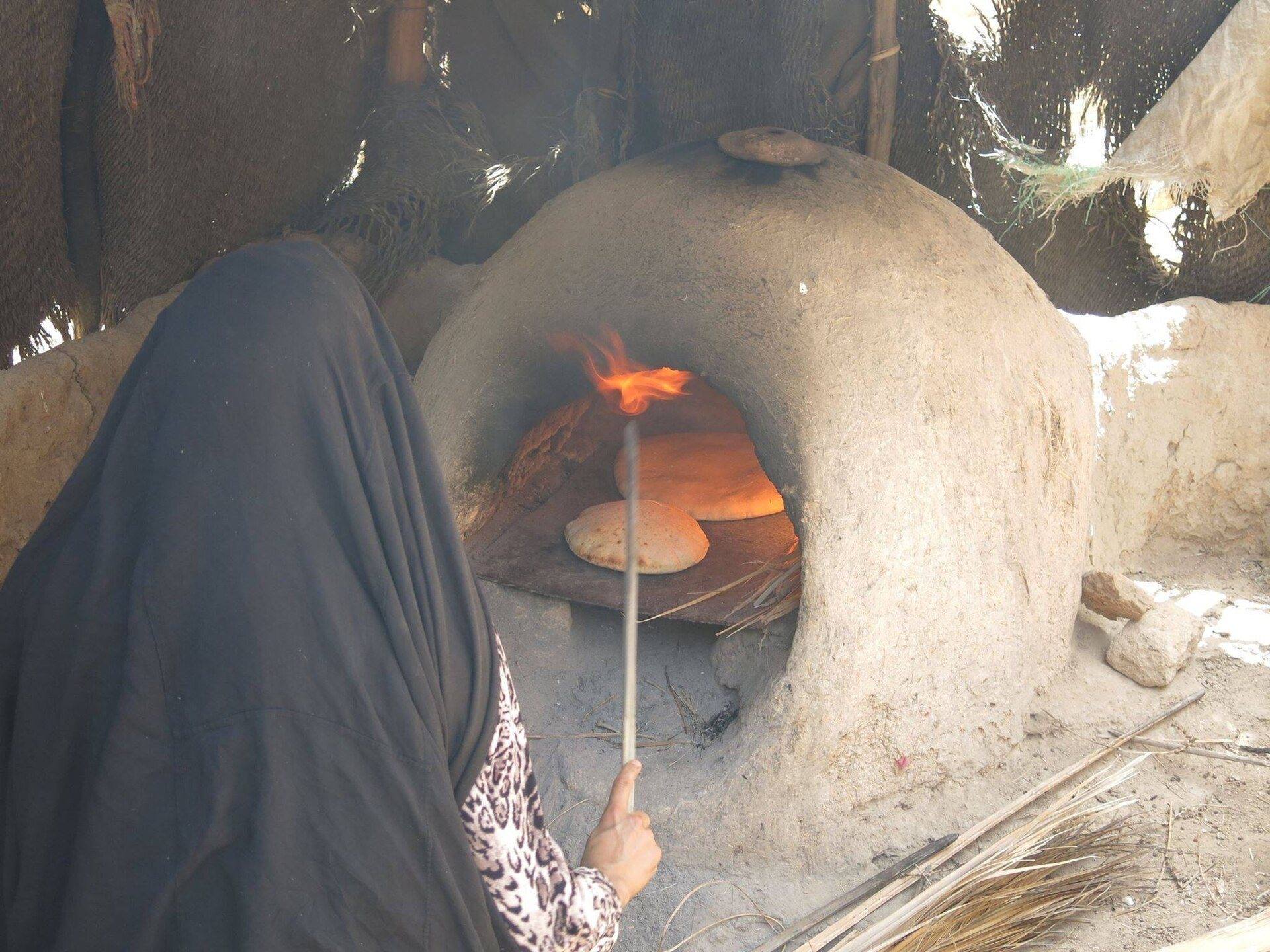
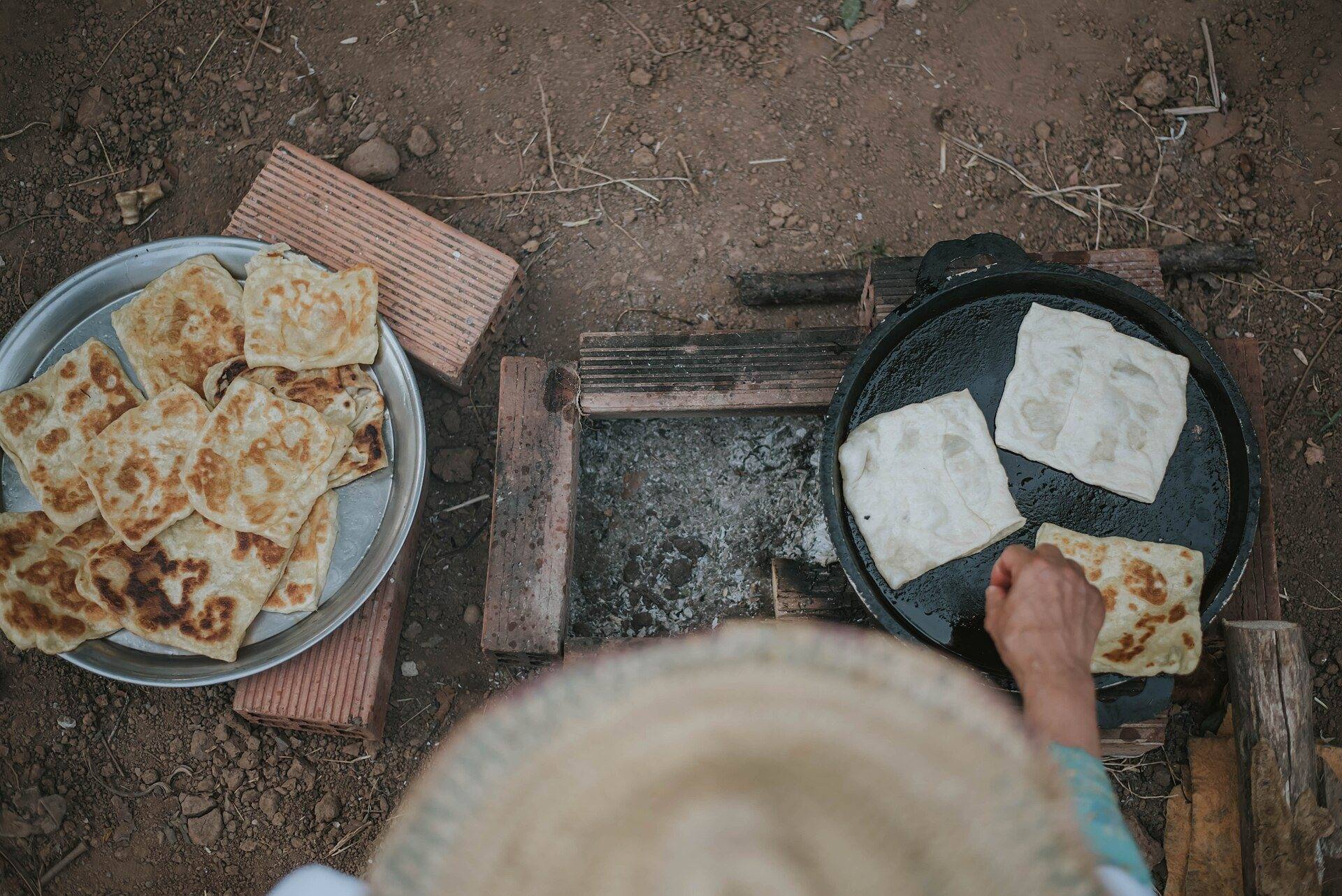
Knead and shape khobz, cook msemen on a hot griddle, and learn about the neighbourhood ovens that still bake bread for families.
2 to 3 hours
A relaxed, hands-on cooking experience for parents and children, with simple dishes, bread to shape and sweets to decorate.