3 to 4 hours
Couscous Workshop
Discover how couscous is rolled, steamed and fluffed by hand, and cook the vegetable and meat broth that is served with it.
Moroccan culinary experience
Learn how a few spices, a clay pot and patience turn simple ingredients into Morocco’s most famous dish.
About this experience
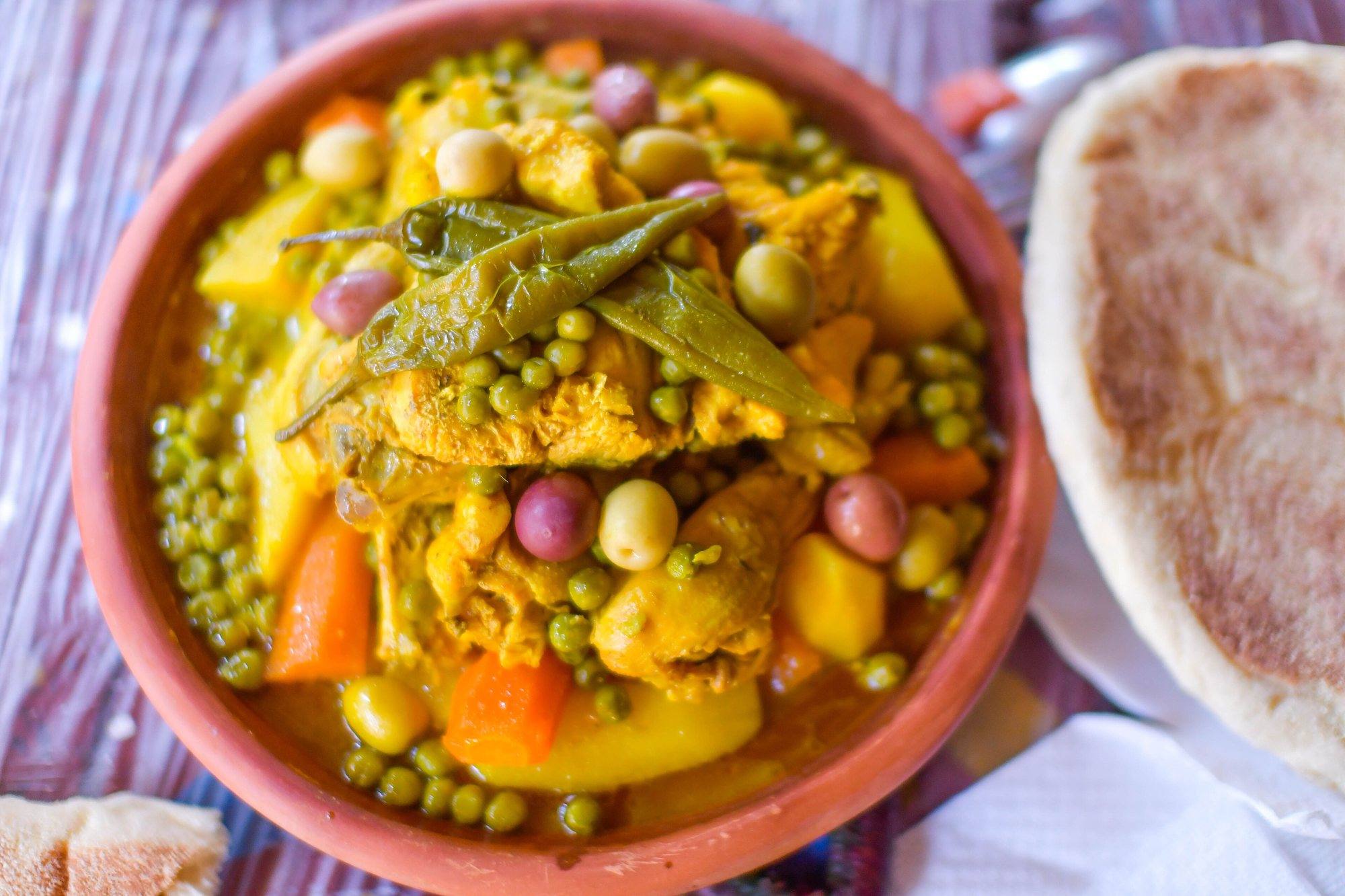
The tagine is both a dish and the conical earthenware pot it is cooked in. Steam rises into the tall lid, condenses and runs back down, keeping everything moist while the sauce slowly concentrates. The result is tender meat or vegetables in a fragrant sauce that is meant to be scooped up with bread.
A tagine class focuses on technique: how to build layers in the pot, how to balance spices, when to add preserved lemon or dried fruit, and how to manage gentle heat. Yes, tourists can absolutely learn to make a traditional tagine, and it is one of the most rewarding dishes to take home.
The experience
Every host has their own style, but most experiences follow a similar rhythm.
Depending on the season and your preferences, you may cook chicken, lamb, beef, fish or vegetable tagine.
Learn the marinades and spice mixes that give each tagine its character.
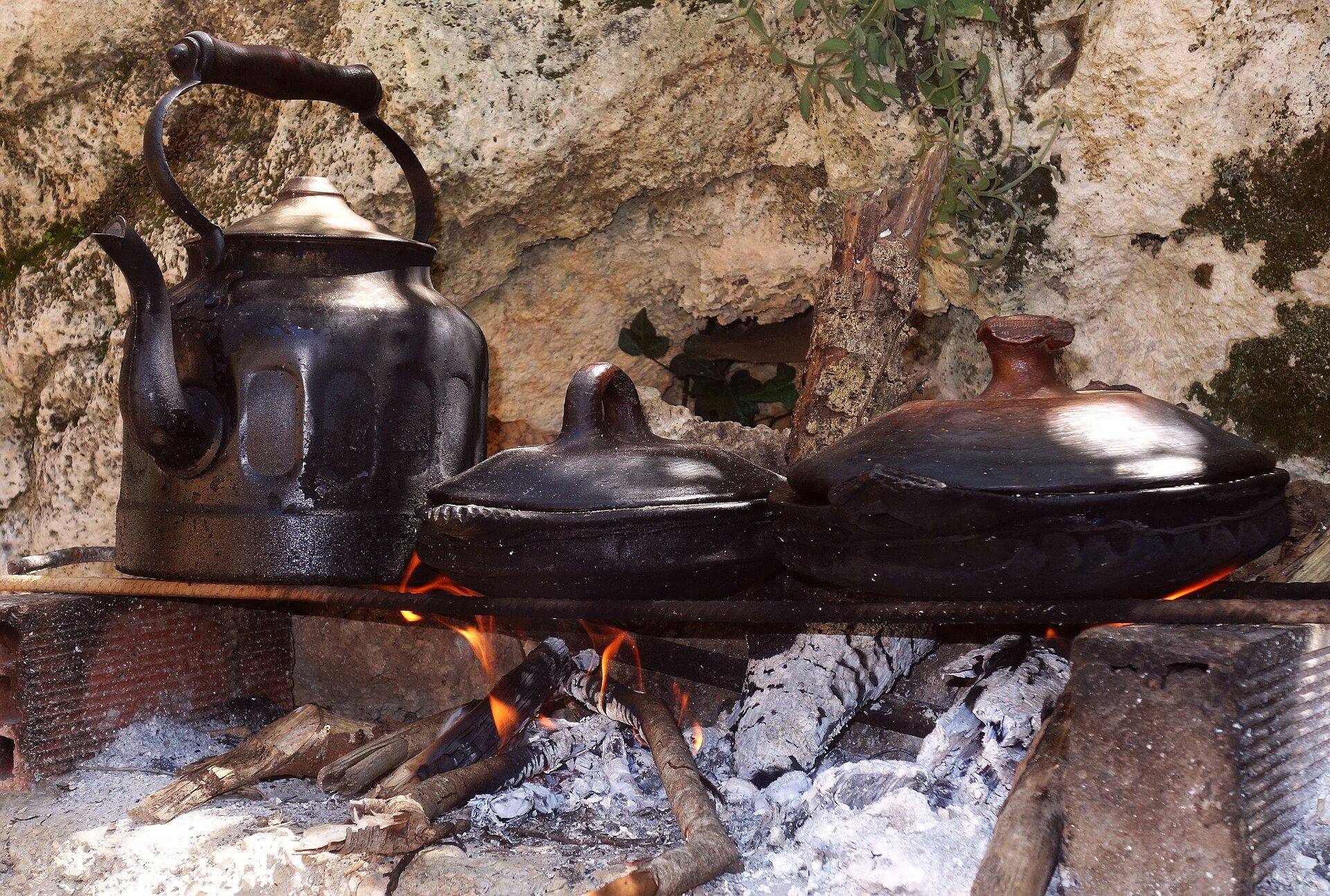
Arrange ingredients in the pot, often over charcoal or a low flame, and learn how to keep the heat gentle.
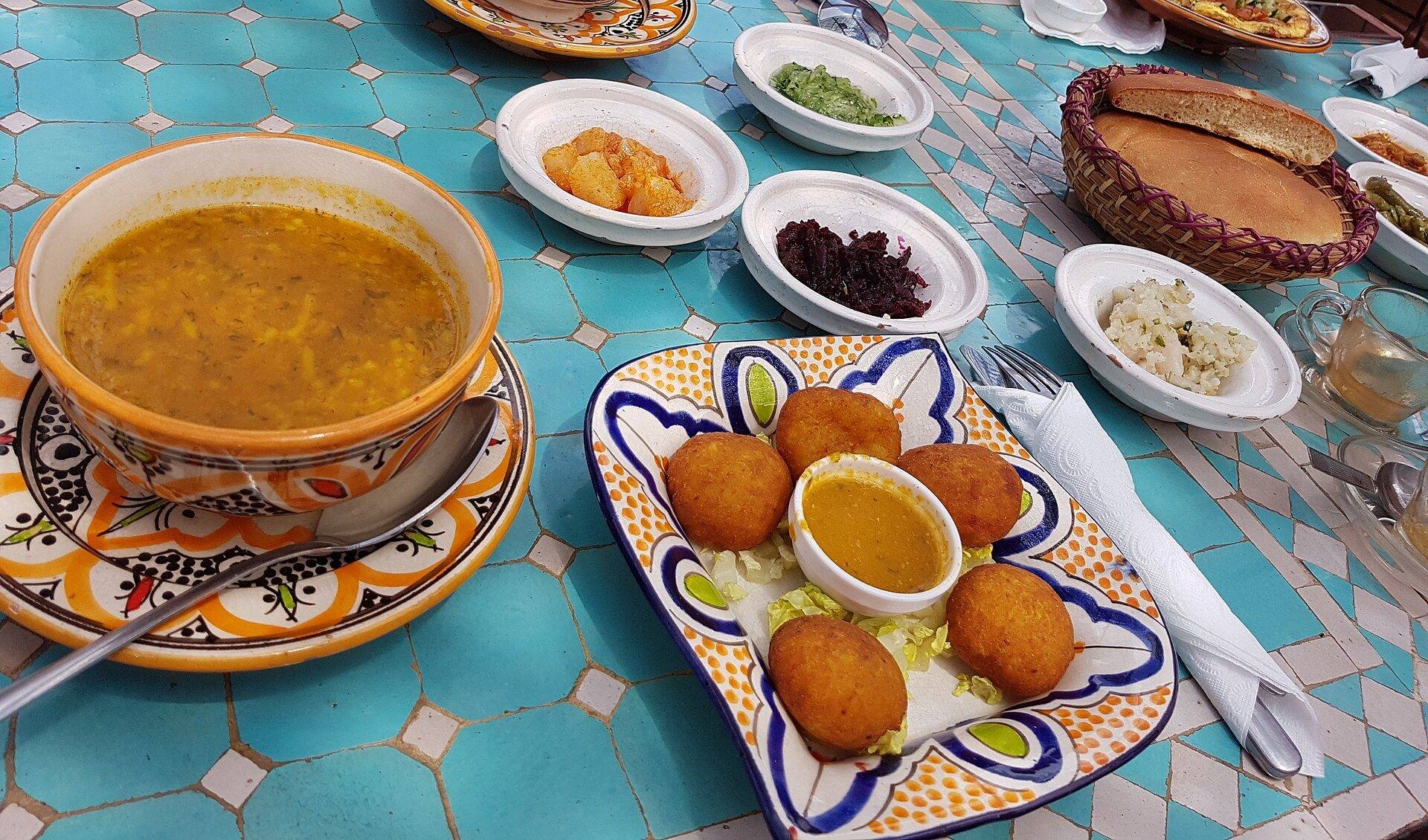
Many classes include a cooked salad and bread to serve alongside the tagine.
On the menu
Menus depend on the season, the host and your preferences. These are dishes often taught in this experience.
Bright, savoury and one of the most loved tagines.
A sweet and savoury tagine often served at celebrations.
Spiced meatballs in a rich tomato sauce.
Popular on the coast, especially in Essaouira.
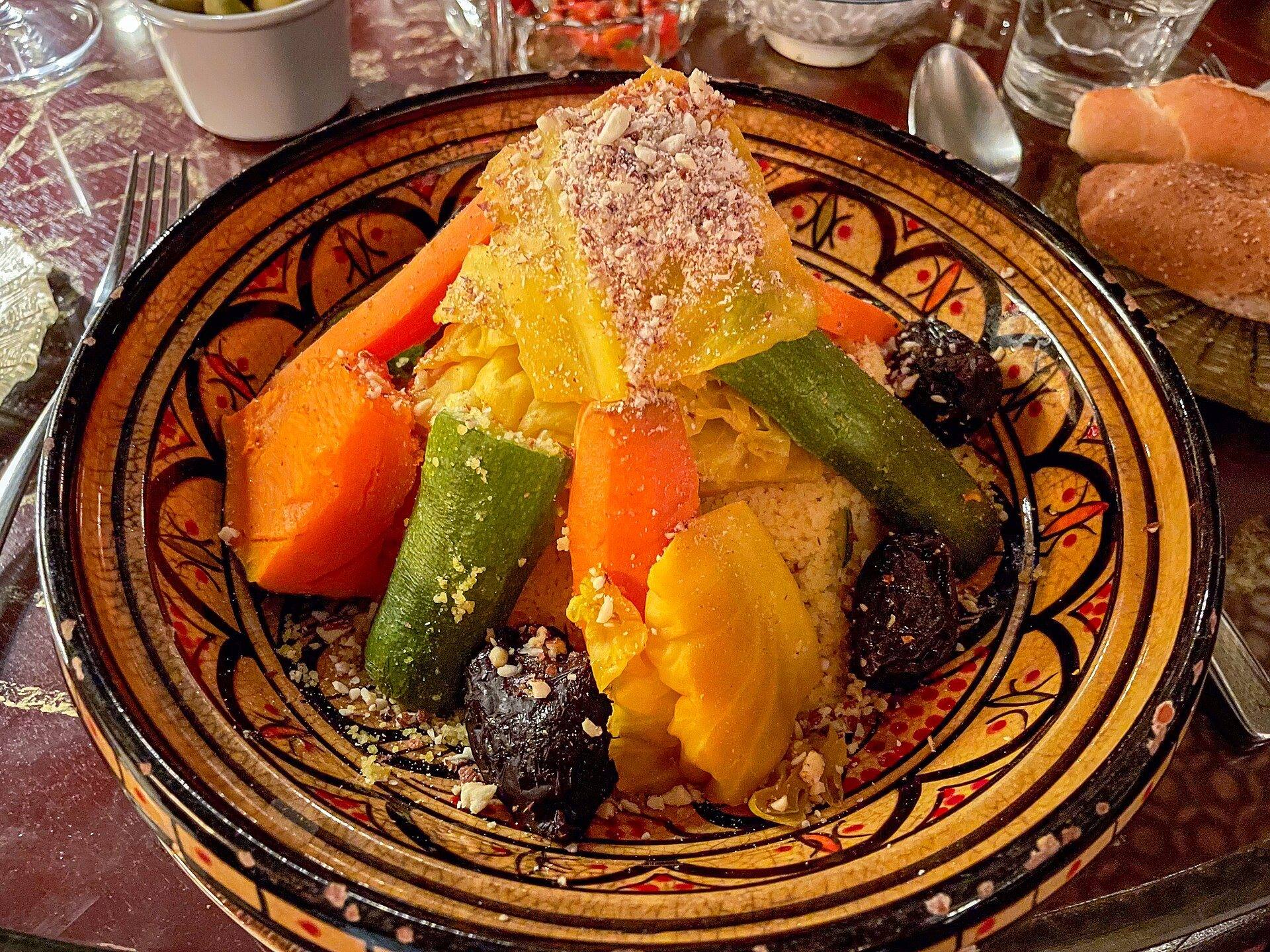
Potatoes, carrots, courgettes, peas and peppers arranged in a peak.
Cultural context
Tagines have been part of North African cooking for centuries, and the clay pots are still made by potters across Morocco. Glazed and painted tagines are often used for serving, while plain unglazed clay is preferred for cooking.
In Marrakech you may also hear about tanjia, a different clay urn traditionally filled with meat and spices and left to cook slowly in the embers of a hammam furnace. It is a good reminder that slow cooking in clay is at the heart of Moroccan food.
How long it takes
Typically 3 to 4 hours
Indicative only. A tagine needs time on the heat, so classes include other dishes or tea while it cooks.
Who it is for
Where
Availability depends on the season, the day of the week and our local partners in each city. Tell us your dates and we will confirm what is possible.
Good to know
Yes. A tagine is very achievable for beginners because most of the work is in the preparation and the slow cooking does the rest. Your host will explain how to adapt the recipe if you do not own a clay tagine at home.
No. A heavy casserole with a tight lid works well. If you would like to buy a tagine, your host can usually explain what to look for.
Tagine is a slow-cooked stew made in a clay pot and eaten with bread. Couscous is steamed semolina grain, traditionally served with a vegetable and meat broth and often eaten on Fridays. They are cooked and served in completely different ways.
Plan your experience
Tell us where and when you would like to cook. We will contact suitable local partners, check availability and send you a personalised offer with the final price.
Request a personalized experience
Share a few details and we will prepare your message to our team. We will contact suitable local partners, check availability and send you a personalised offer. It is free and there is no obligation.
Nothing opened? Write to us at [email protected].
You may also enjoy
3 to 4 hours
Discover how couscous is rolled, steamed and fluffed by hand, and cook the vegetable and meat broth that is served with it.
3 to 4 hours, including the meal
Learn a complete Moroccan meal, from cooked salads to a slow-simmered tagine, with a local chef or home cook, then sit down to eat what you have made.
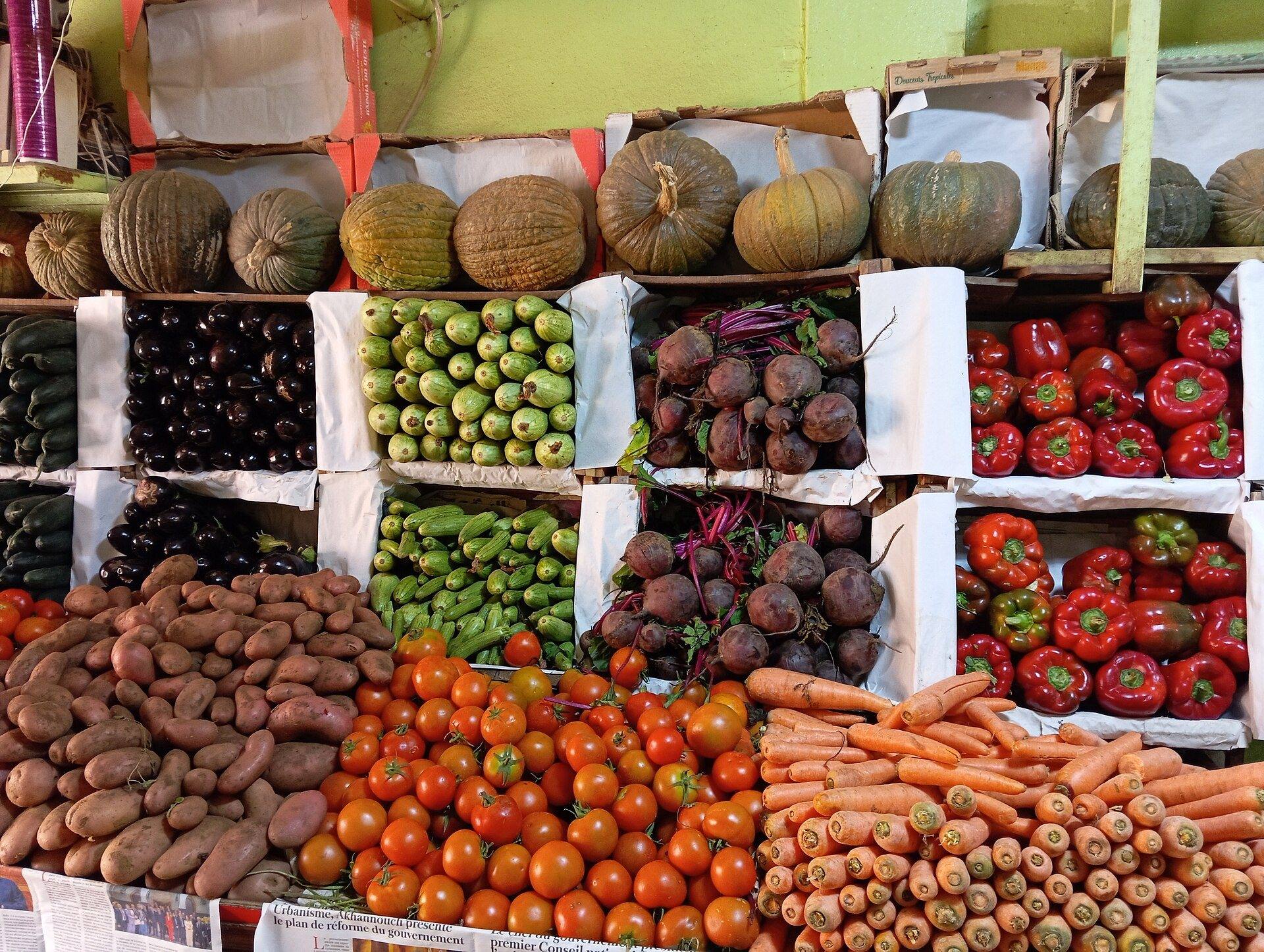
4 to 5 hours, market included
Shop for vegetables, herbs and spices in a local market with your cook, then turn them into a Moroccan meal.