Traditions
Moroccan Cooking Traditions and Family Recipes
How Moroccan family cooking is passed down, shared and celebrated: communal meals, the Friday couscous, Ramadan, feasts, neighbourhood ovens and the role of hospitality.
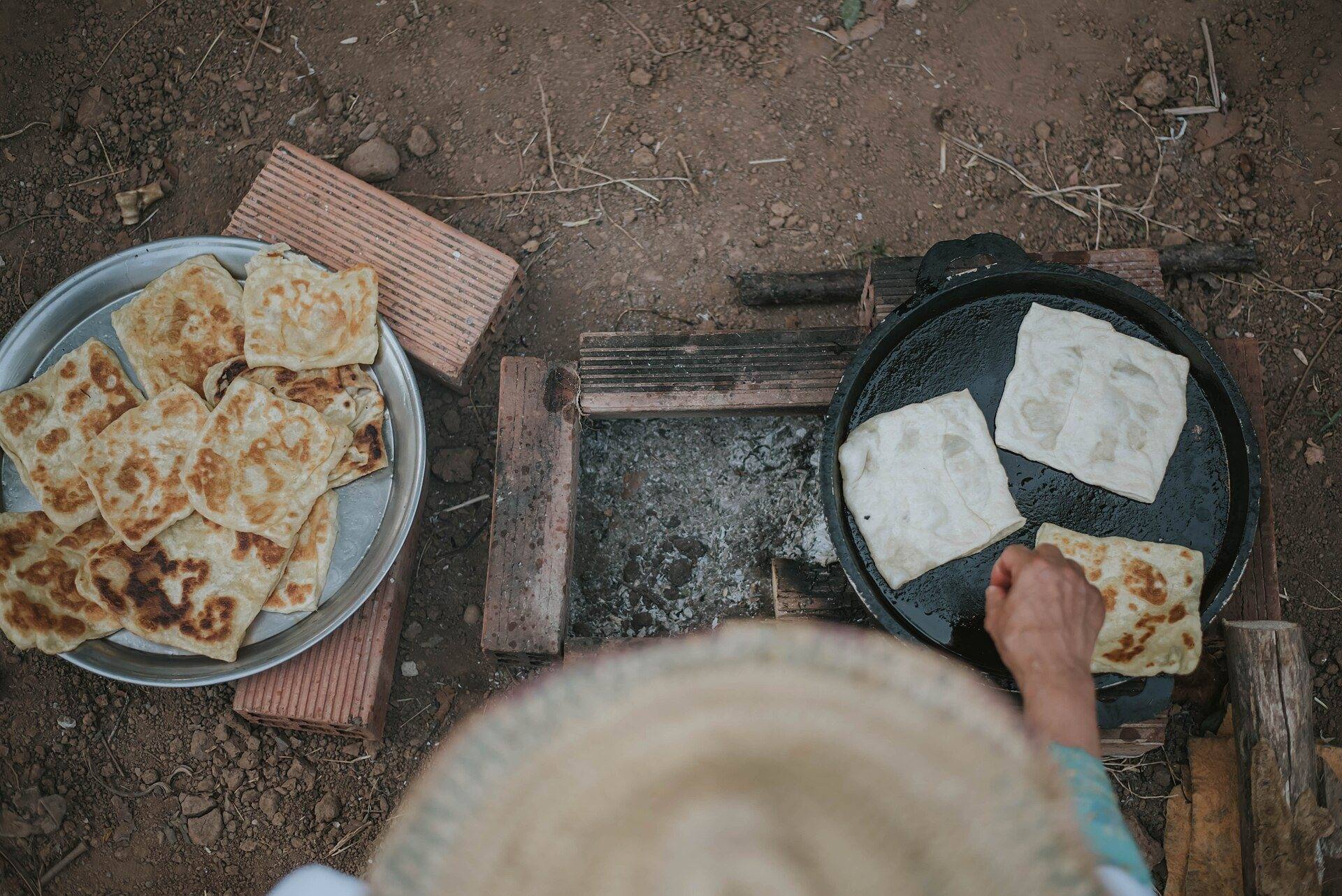
Ask a Moroccan cook for a recipe and you will often get a shrug and a smile. Quantities are “a little of this”, “enough of that”. Spices are measured in the palm of the hand. Dough is ready “when it feels right”. This is not vagueness: it is a cuisine that has been passed down by watching, tasting and doing, from one generation to the next.
A cuisine of many roots
Moroccan cooking brings together many influences. The Amazigh (Berber) peoples gave the country couscous, clay-pot cooking and many of its breads. Arab cooking brought spices and sweet-savoury combinations. Muslims and Jews from Andalusia brought refined pastries, the use of almonds and orange blossom, and the elegant cooking of cities such as Fes, Rabat and Tetouan. Moroccan Jewish communities developed their own rich traditions. Trade with Europe and sub-Saharan Africa added tea, sugar and new ingredients.
These layers are still visible in family kitchens, which is why the same dish can taste quite different from one region, or even one family, to another.
Knowledge passed from hand to hand
In many homes, cooking skills are learned young. Children help roll couscous, carry trays of dough to the neighbourhood oven or fold pastries before a celebration. Recipes are rarely written down; they live in the hands of mothers, grandmothers, aunts and, increasingly, fathers and sons too.
That is one reason a cooking class with a home cook can be so rewarding. You are not just learning a recipe, you are seeing gestures and habits that have been passed down for generations.
The shared table
Traditional Moroccan meals are communal. Food is served in a large central dish, and everyone eats from the section in front of them. Bread is the main utensil, torn and used to pick up food with the right hand. The host often places the best pieces of meat in front of guests.
Meals usually begin with a blessing, “bismillah” (in the name of God), and end with thanks. Mint tea often follows.
The rhythm of the week and the year
Friday couscous
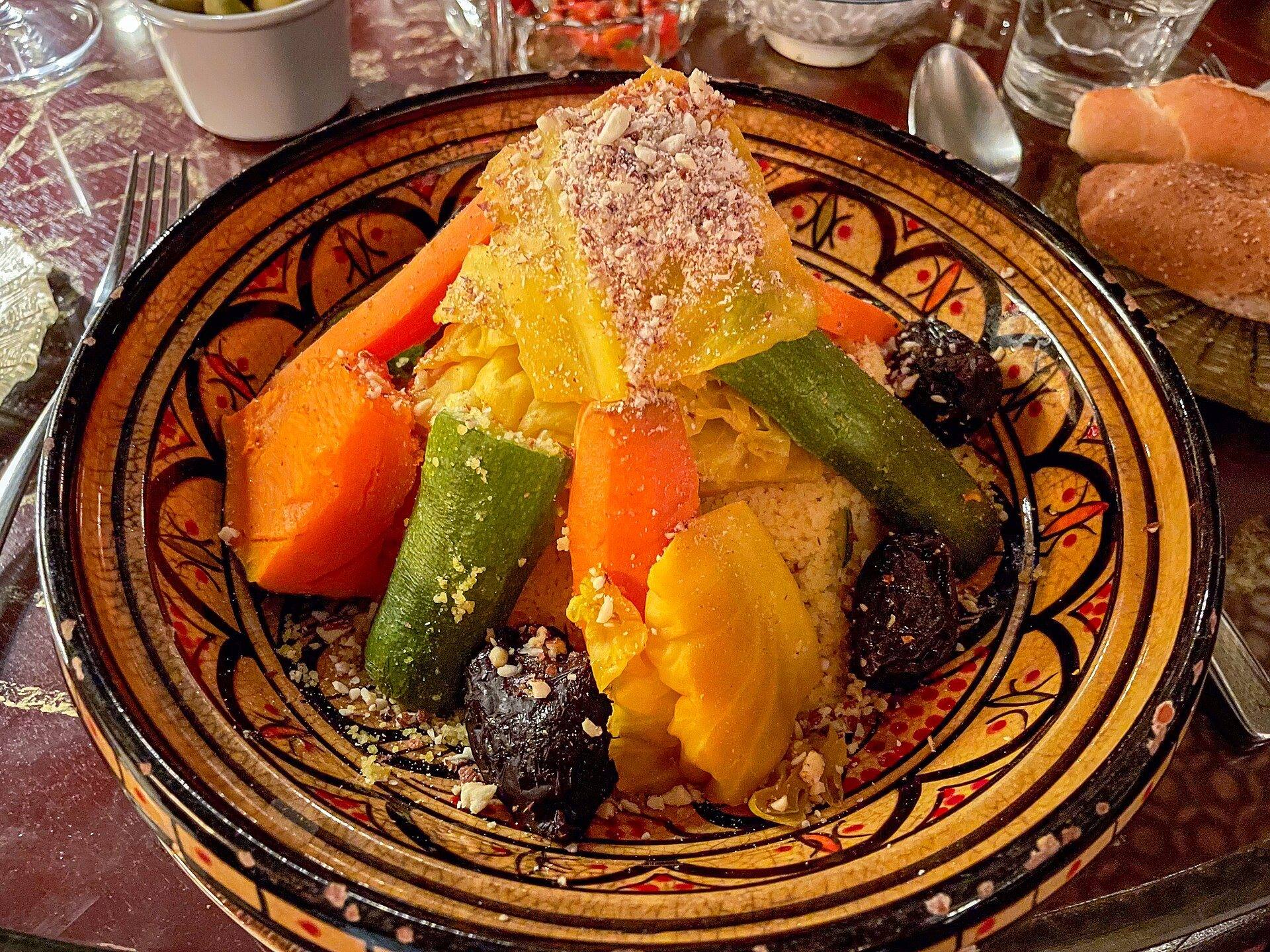
Friday is the main day of congregational prayer, and in many families it is also couscous day. After the midday prayer, the family gathers around a large dish of couscous with vegetables and meat. Read more about the secrets of Moroccan couscous.
Ramadan
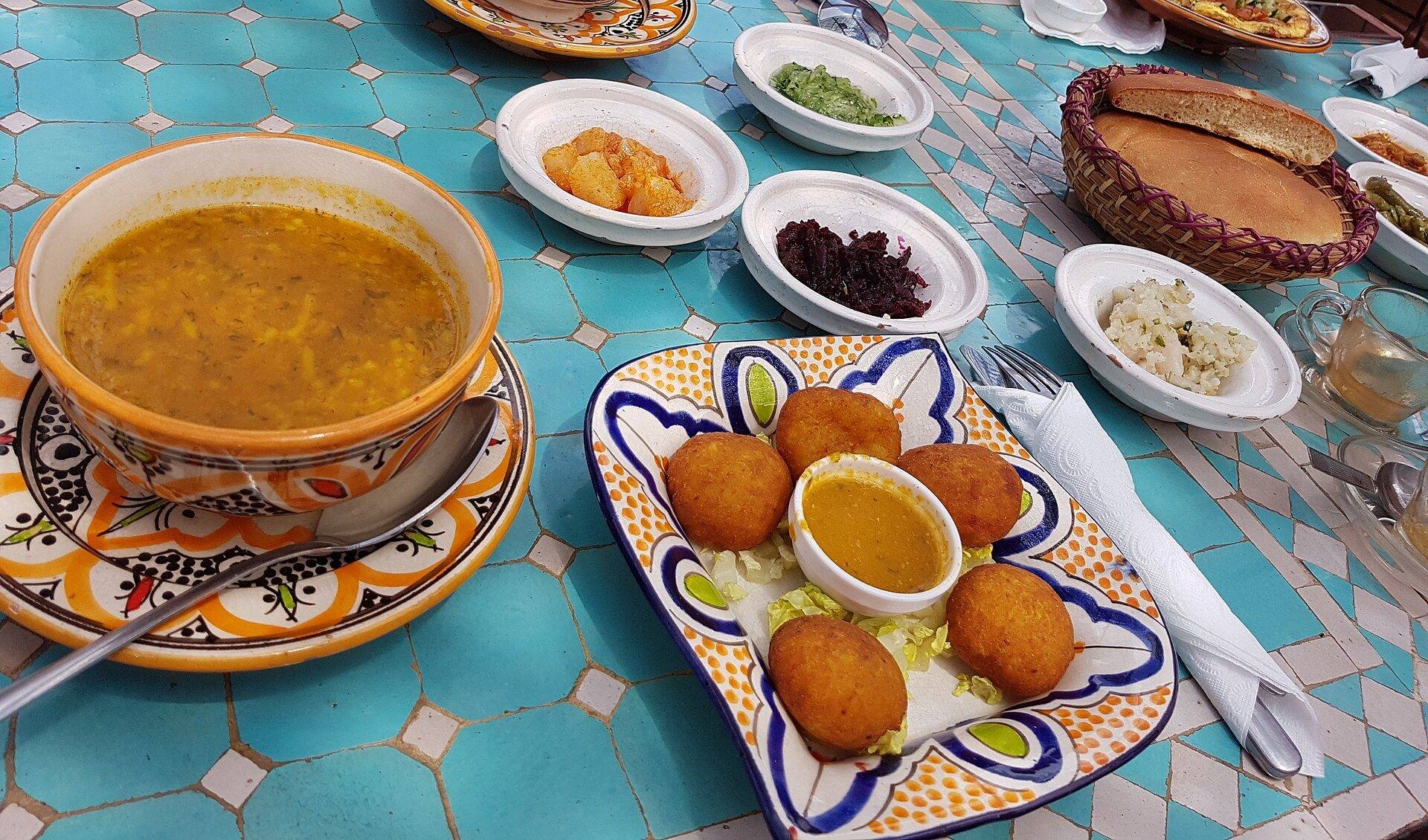
During Ramadan, the month of fasting, the evening meal that breaks the fast, called ftour, is a moment of great importance. Tables traditionally include dates, harira soup, chebakia (sesame cookies soaked in honey), sellou (a rich mixture of toasted flour, almonds and sesame), hard-boiled eggs, msemen and milk or juice. Many of these are prepared at home in the weeks before.
Eid al-Adha
At Eid al-Adha, many families sacrifice a sheep, and the following days are filled with special dishes: grilled liver wrapped in caul fat, slow-cooked dishes and, in some regions, mrouzia, a sweet lamb tagine with raisins, almonds and honey.
Weddings and celebrations
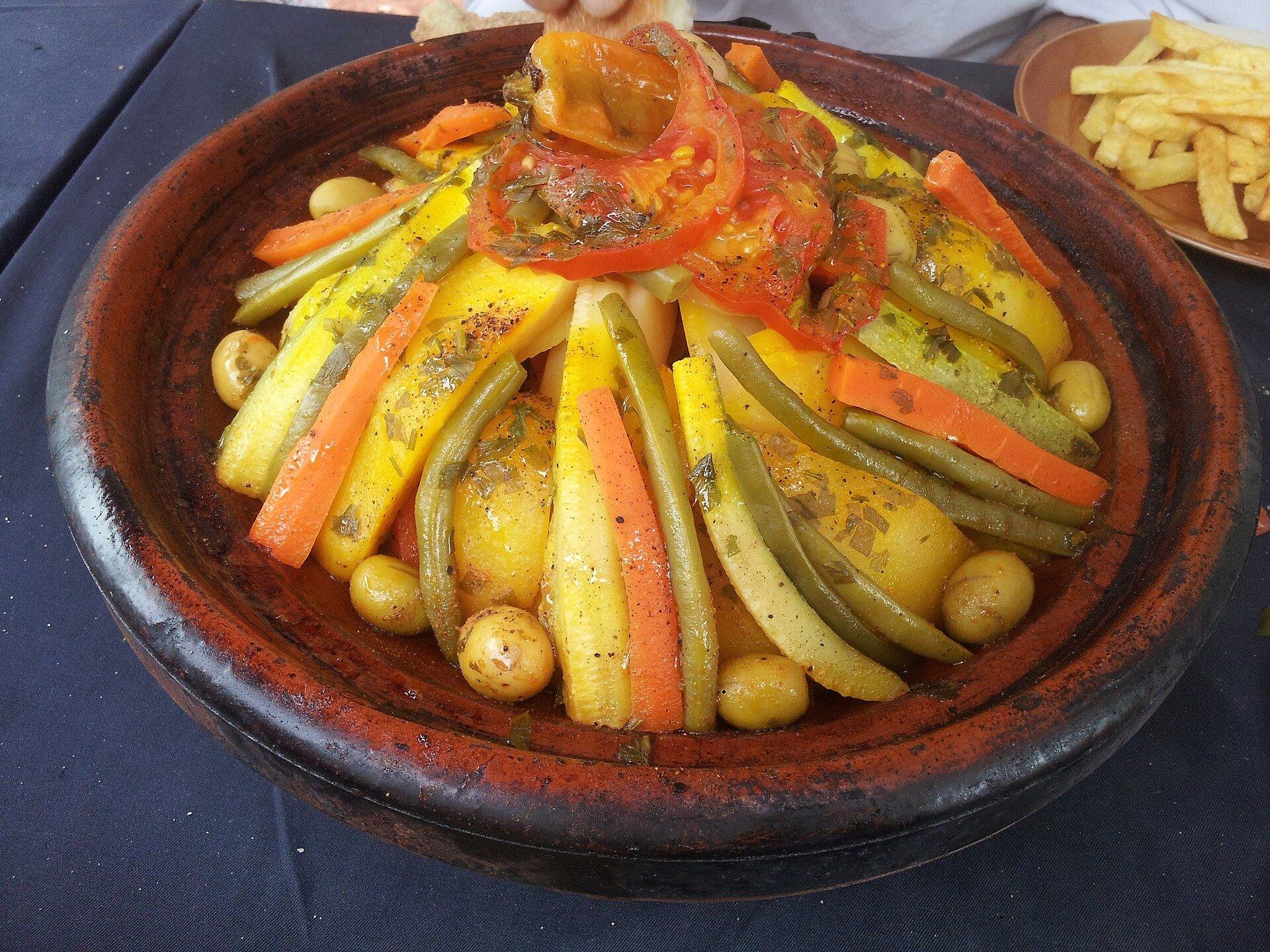
Weddings and family celebrations call for pastilla, large tagines, couscous and trays of pastries. Relatives and neighbours often gather for days beforehand to prepare hundreds of sweets together.
The neighbourhood oven
In the old medinas, many families do not bake bread at home. Each morning, dough is prepared and carried, often by children, to the ferran, a communal wood-fired oven. The baker knows every family’s loaves, sometimes marked with a pattern or a cloth. The same ovens are used for roasting and, in Marrakech, the slow-cooked tanjia is traditionally entrusted to the furnace of the local hammam.
Hospitality at the heart of it all
Above all, Moroccan cooking is about welcome. Guests are offered tea the moment they arrive, served first and encouraged to eat more than they can. Refusing food can be difficult; it is polite to accept a little, and to praise the cook.
This spirit of hospitality is what makes cooking with Moroccan families so special. If you would like to experience it, we can arrange a family cooking experience or a private class with a home cook in Fes, Marrakech, Chefchaouen and other destinations.