Guides
The Ultimate Guide to Moroccan Cooking Classes
Everything you need to know before taking a cooking class in Morocco: the different types, what you will cook, how prices work, where to go and how to choose.
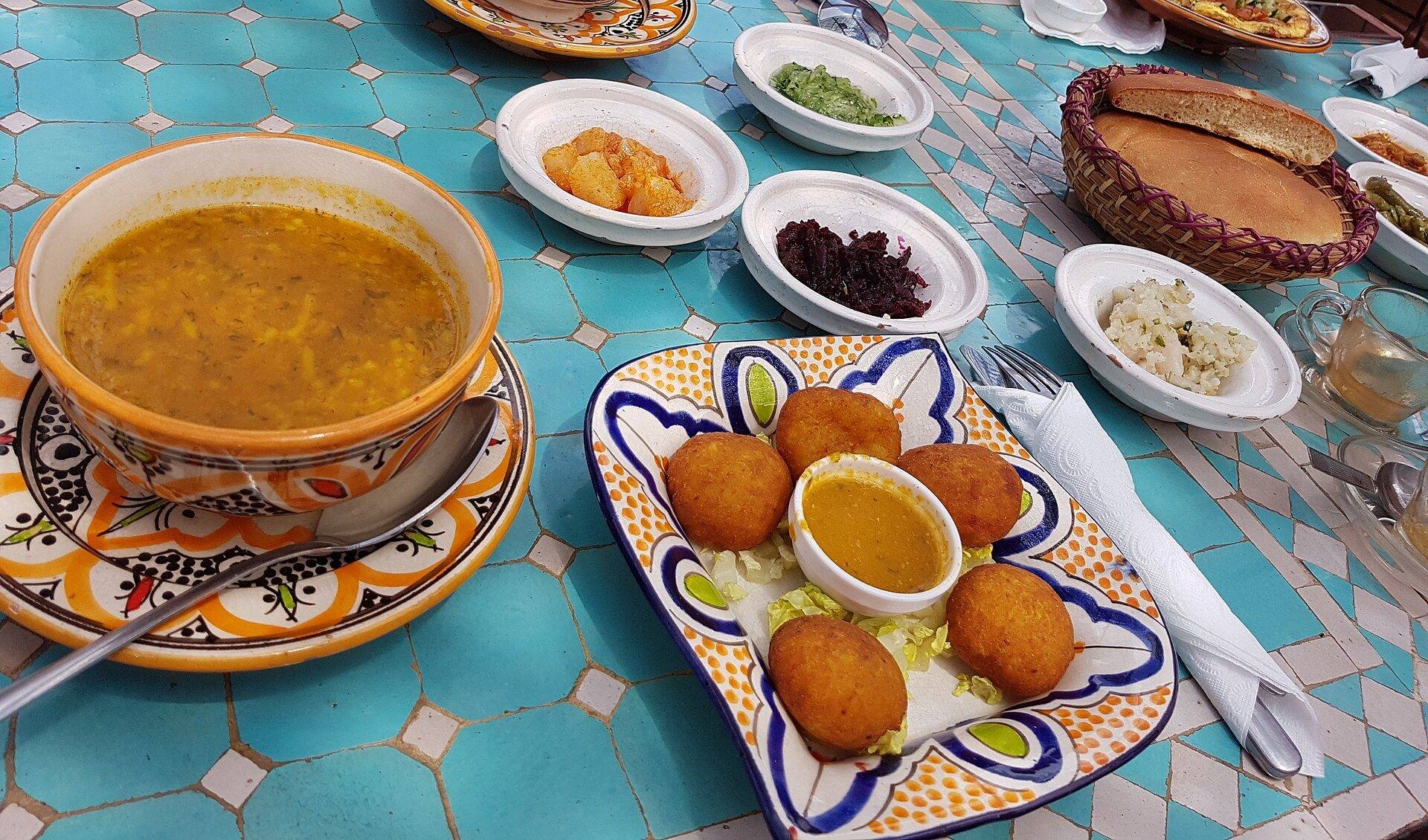
A cooking class is one of the most rewarding things you can do in Morocco. In a few hours you learn how a cuisine works, you meet people you would never otherwise meet, and you go home with recipes that will bring the trip back every time you cook them.
But “cooking class” covers a lot of different experiences. This guide explains the main types, what you can expect to cook, how prices work and how to choose the right class for you.
What happens during a Moroccan cooking class?
Most classes follow a similar rhythm, whatever the setting:
- Welcome and mint tea. Your host introduces the menu, asks about allergies and dietary needs and explains how the session will work.
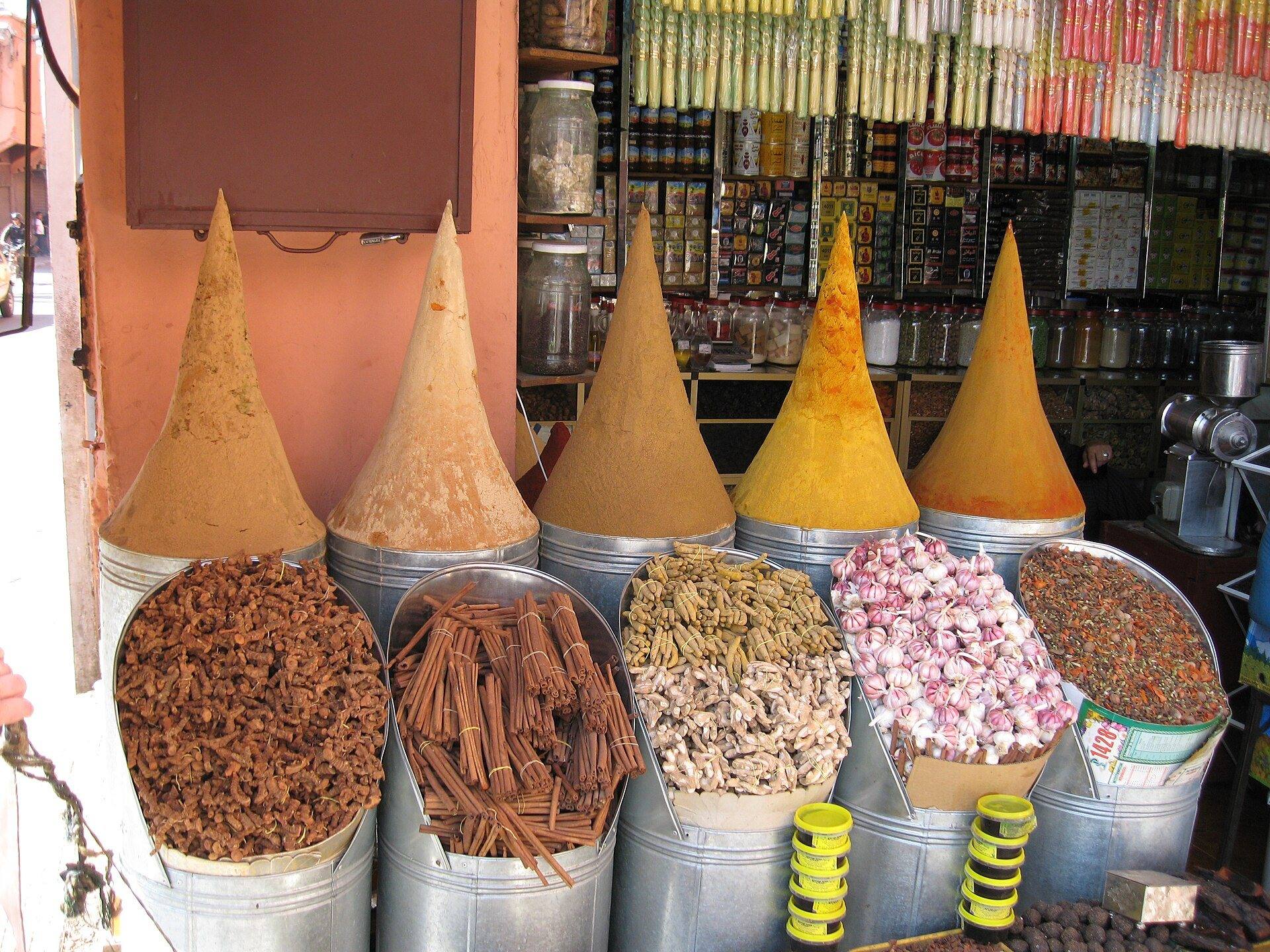
- Ingredients and spices. You smell and taste the spices that define Moroccan food, such as cumin, ginger, sweet paprika, turmeric, cinnamon and saffron, and learn when each one is used.
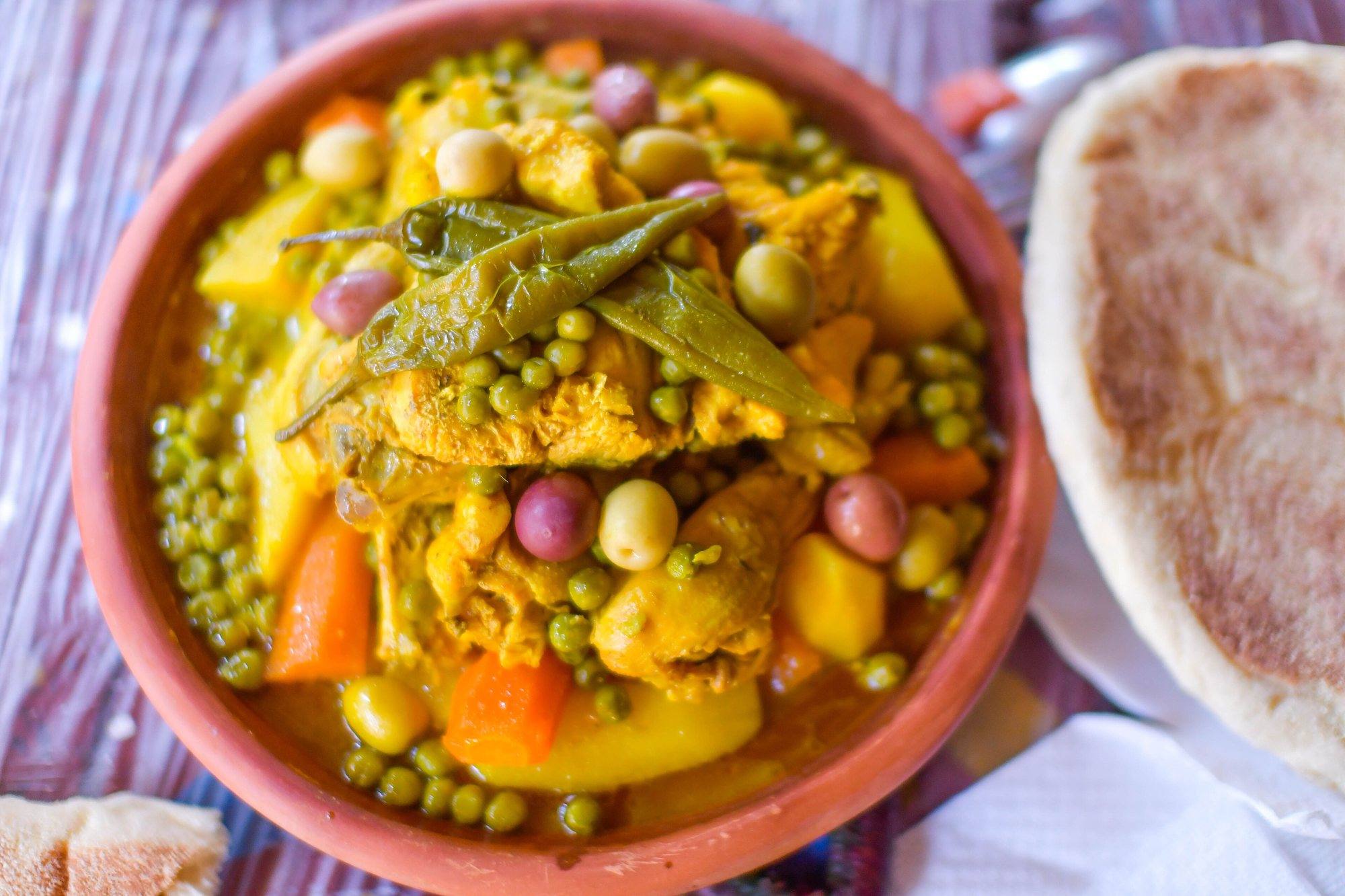
- Hands-on cooking. You prepare two to four dishes, usually a selection of cooked salads, a main dish such as a tagine or couscous, and sometimes bread or a simple dessert.
- The meal. You sit down together to eat what you have made. Many hosts share the recipes afterwards.
Some classes begin with a walk through a local market to buy ingredients. These usually take a little longer but give you context you cannot get in a kitchen alone.
The main types of cooking experience
Traditional cooking classes
A traditional Moroccan cooking class teaches a small menu as it would be served at home. It is the best choice for first-time visitors who want a broad introduction to the cuisine.
Single-dish workshops
If you already know what you want to learn, a focused workshop goes deeper. Popular choices include a tagine cooking class, a couscous workshop, a pastry class or bread-making.
Market visit and cooking class
A market visit and cooking class starts with shopping. You see how Moroccan cooks choose produce, learn the names of herbs and spices and then cook with what you bought.
Private classes
A private cooking class is just for your group. You can shape the menu, set the pace and choose a time that fits your itinerary. Private classes suit couples, families, groups of friends and anyone with specific dietary needs.
Family and children’s experiences
A family cooking experience is built around simple, tactile tasks such as kneading bread, rolling cookies and stirring a mild tagine, with plenty of tasting along the way.
Where do cooking classes take place?
The setting changes the feel of the experience as much as the menu does:
- Cooking schools offer structure, individual workstations and clear recipes.
- Riads, the traditional courtyard houses of the medinas, offer a calm and beautiful setting, often with a terrace.
- Family homes offer intimacy and family recipes you will rarely find in restaurants.
- Countryside kitchens outside the cities often have gardens, outdoor clay ovens and a slower pace.
None of these is better than the others. It depends on what you want from the day.
Which city is best for a cooking class?
You can take a cooking class in most places travellers visit, but each region has its own character:
- Marrakech has the widest choice, from schools to riad kitchens, and lively markets for a pre-class visit.
- Fes is the place for refined, traditional family cooking and the famous pastilla.
- Essaouira is ideal for seafood lovers, with fish tagines and the day’s catch from the port.
- Chefchaouen offers simple mountain cooking in an intimate setting.
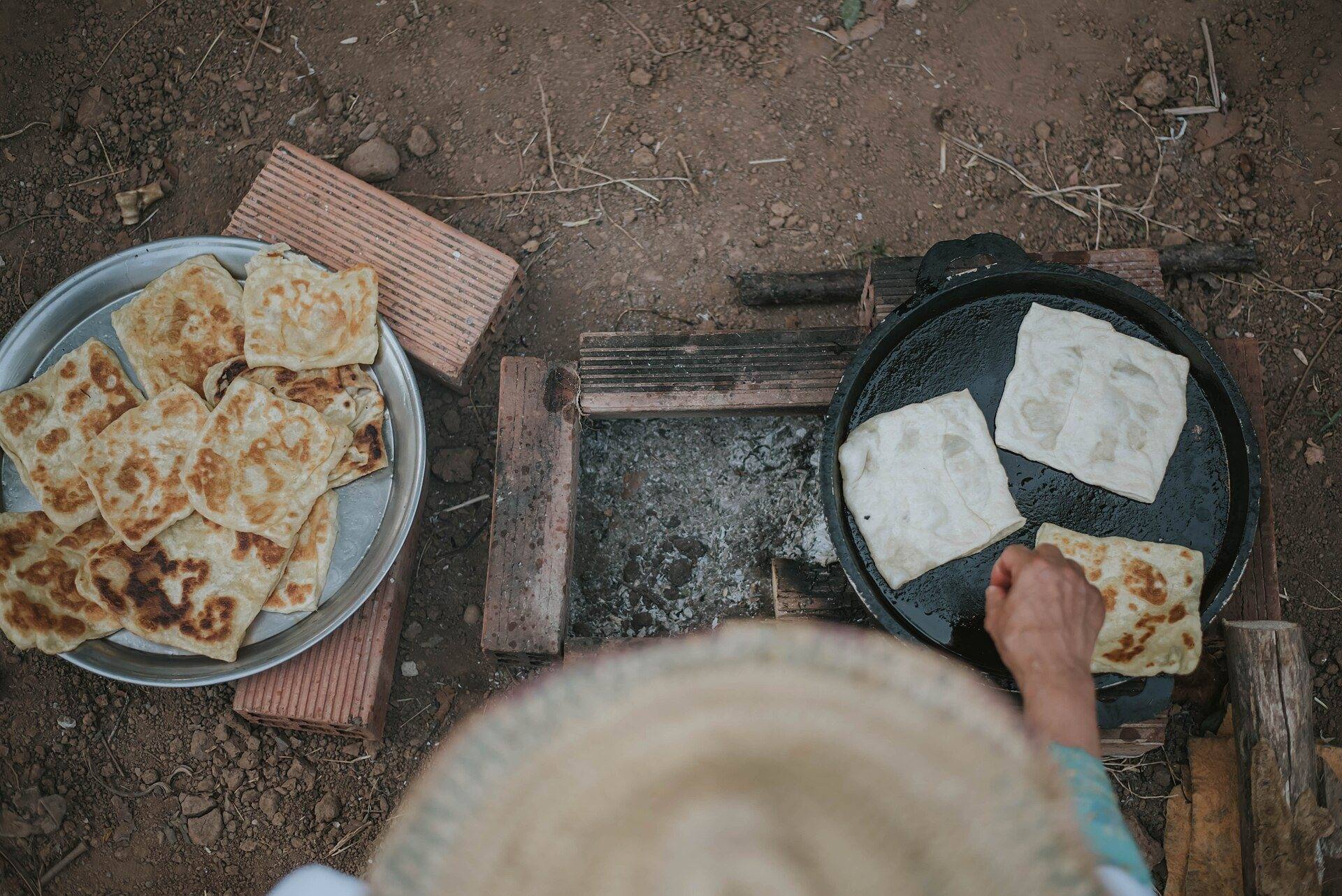
- Merzouga and Ouarzazate introduce the Amazigh cooking of the south, with bread from clay ovens and tagines over charcoal.
How much does a Moroccan cooking class cost?
There is no single price. The cost depends on:
- The city and season. Marrakech in spring is in higher demand than a quiet month elsewhere.
- Shared or private. Group classes are generally the most affordable per person. Private classes cost more, especially for one or two people.
- Length and content. A market visit, a special dish such as pastilla or transport to a countryside kitchen all add time and cost.
- Group size. Larger groups may need a bigger space or more than one cook.
When you arrange a class through Koosina, we tell you the final price in your personalised offer before you commit to anything.
How to choose the right class
Ask yourself a few questions:
- Do I want breadth or depth? A traditional class gives breadth; a workshop gives depth.
- Who is coming? Children, a mixed group with different diets or a couple celebrating an occasion all point to different formats.
- How much time do I have? A mint tea experience takes about an hour; a market visit and class can take most of a morning.
- What setting appeals to me? A school, a riad or a family home?
- Do I need a particular language? Many hosts speak English and French; other languages may be possible with notice.
Practical tips
- Book a few weeks ahead in spring and autumn, and as early as possible for smaller destinations.
- Mention dietary needs early so the host can plan the menu rather than improvise.
- Morning classes are best if you want to include a market visit.
- Wear comfortable clothes and bring an appetite: you will eat a full meal.
- During Ramadan, schedules change and some classes focus on preparing the evening meal that breaks the fast.
Arranging your class with Koosina
Koosina is not a booking platform. You tell us where and when you would like to cook, who is coming and what you would like to learn. Our team contacts suitable local partners, checks availability and sends you a personalised offer. When you are happy, we confirm the arrangements.
If you are still deciding, read what to expect from a cooking class in Marrakech or explore all our experiences.