Destinations
The Culinary Traditions of Southern Morocco
Amazigh cooking, oasis dates, saffron, roses, argan oil, medfouna and tagines over charcoal: discover the food of southern Morocco, from the Souss to the Sahara.
South of the High Atlas, Morocco changes. The landscape becomes drier and more dramatic, with earthen kasbahs, palm groves and, eventually, the dunes of the Sahara. The food changes too. Southern cooking is largely Amazigh (Berber) in origin: simple, generous, slow and built around local products such as dates, almonds, argan oil, honey and saffron.
A cuisine of the land
Life in the south has long depended on oases, river valleys and careful use of water. Families grow vegetables, herbs, barley and fruit in gardens irrigated by traditional channels, and keep goats, sheep and chickens. Cooking makes the most of what is available, with little waste and a great deal of patience.
Tagines over charcoal
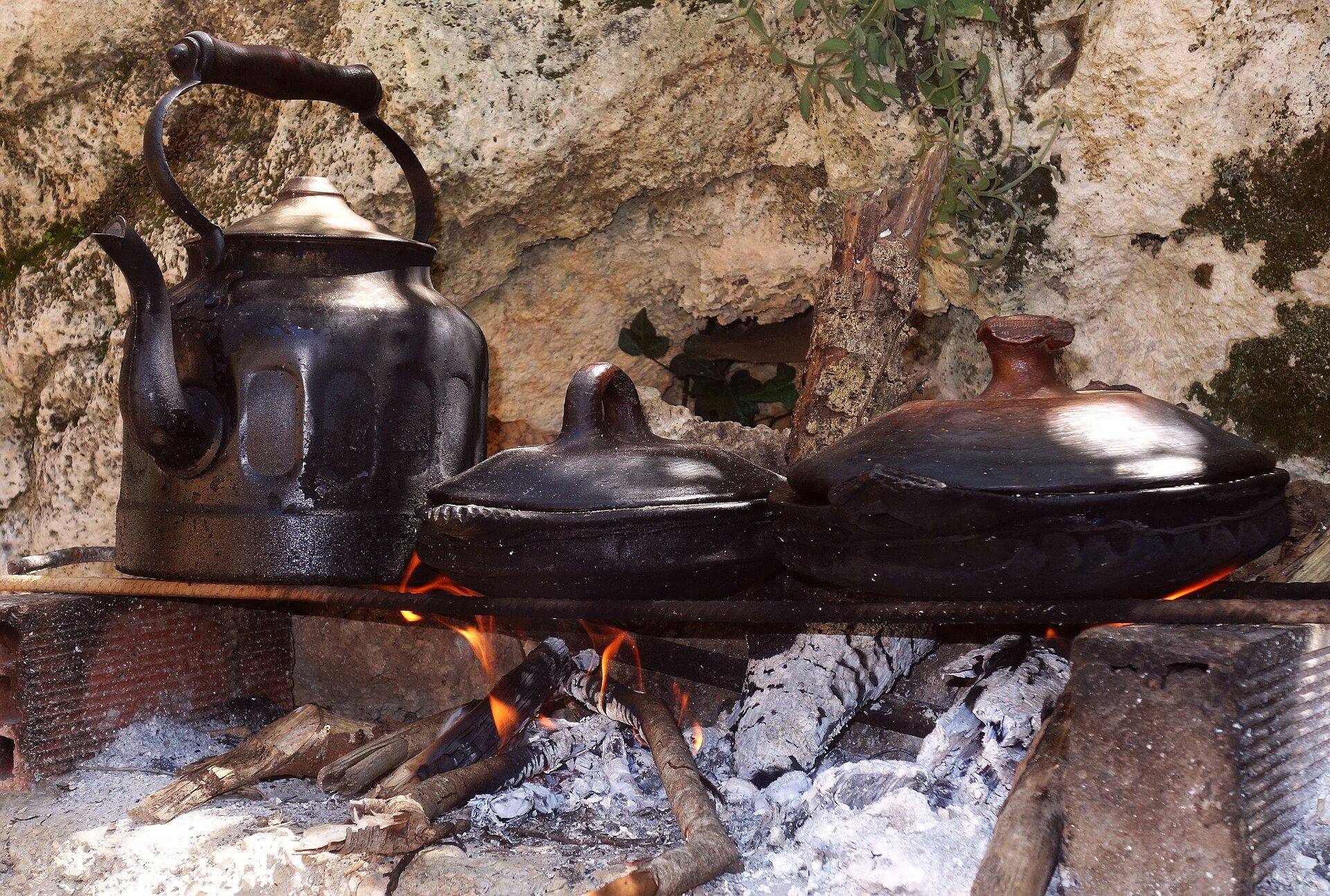
In the south, tagines are often cooked over charcoal in a small clay brazier, or over the embers of a wood fire. The gentle, steady heat is perfect for slow cooking. Vegetables from the garden, a little meat and spices are arranged in the pot and left to simmer for hours.
Learn how in our guide to making a traditional tagine.
Breads of the south
Bread takes many forms in the south:
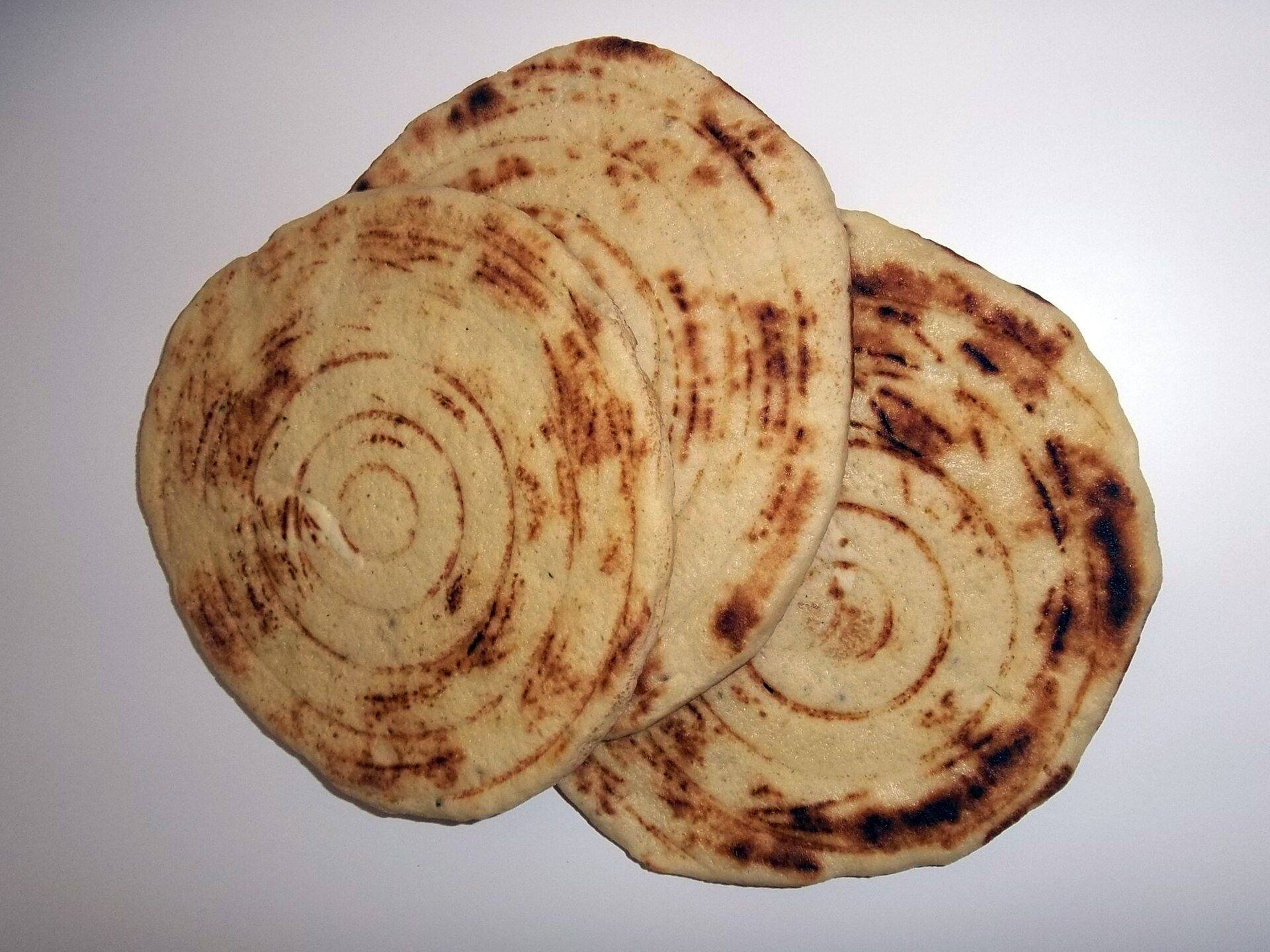
- Medfouna: the speciality of the Tafilalet, around Rissani, Erfoud and Merzouga. Flatbread dough is stuffed with spiced meat, onions, eggs, herbs and sometimes almonds, then baked until crisp. It is often described as a “Berber pizza”.
- Tafarnout: bread baked on hot stones in a traditional clay oven.
- Bread baked in sand: in the desert, dough can be buried in hot sand under the embers of a fire.
Dates of the oases
The palm groves of the south produce many varieties of dates. The Tafilalet region, around Erfoud and Rissani, and the Draa valley around Zagora are especially known for them. The famous Medjool date is widely understood to have originated in the Tafilalet. Erfoud holds a date festival in autumn to celebrate the harvest.
Dates are eaten on their own, served with milk to break the fast during Ramadan, and used in tagines and couscous.
Saffron from Taliouine
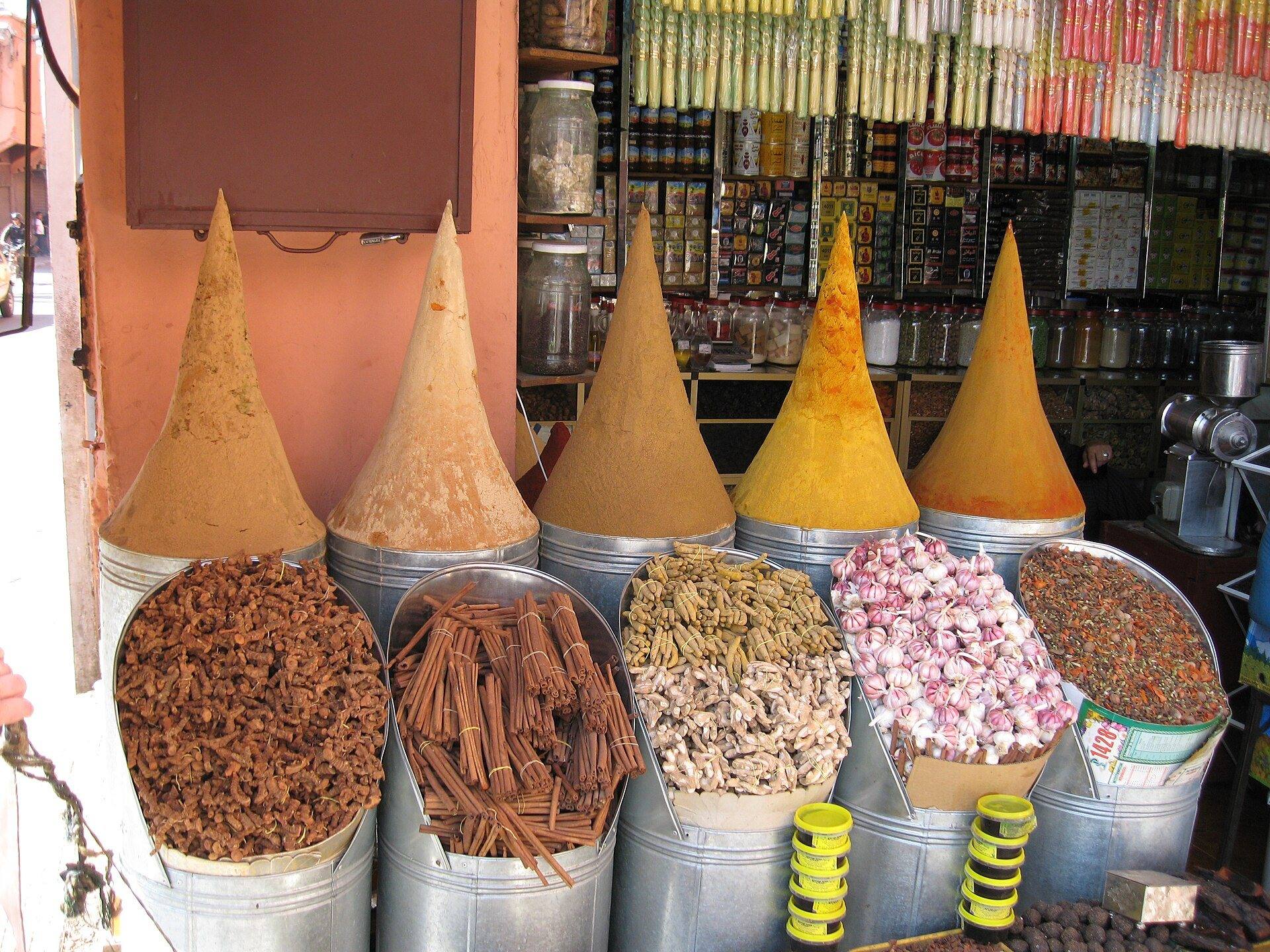
Between Taroudant and Ouarzazate, the area around Taliouine is famous for saffron. The crocus flowers are harvested by hand in autumn and their delicate red stigmas are dried. It takes a very large number of flowers to produce a small amount of saffron, which explains its value. Read more in our guide to Moroccan spices.
Roses of the Dades valley
In the Dades valley, around Kelaat M’Gouna, fragrant Damask roses grow in hedges between the fields. Each spring, the harvest is celebrated with a festival. Rose water is used in some pastries and drinks, and dried rosebuds appear in spice blends such as ras el hanout.
Argan oil, amlou and honey from the Souss
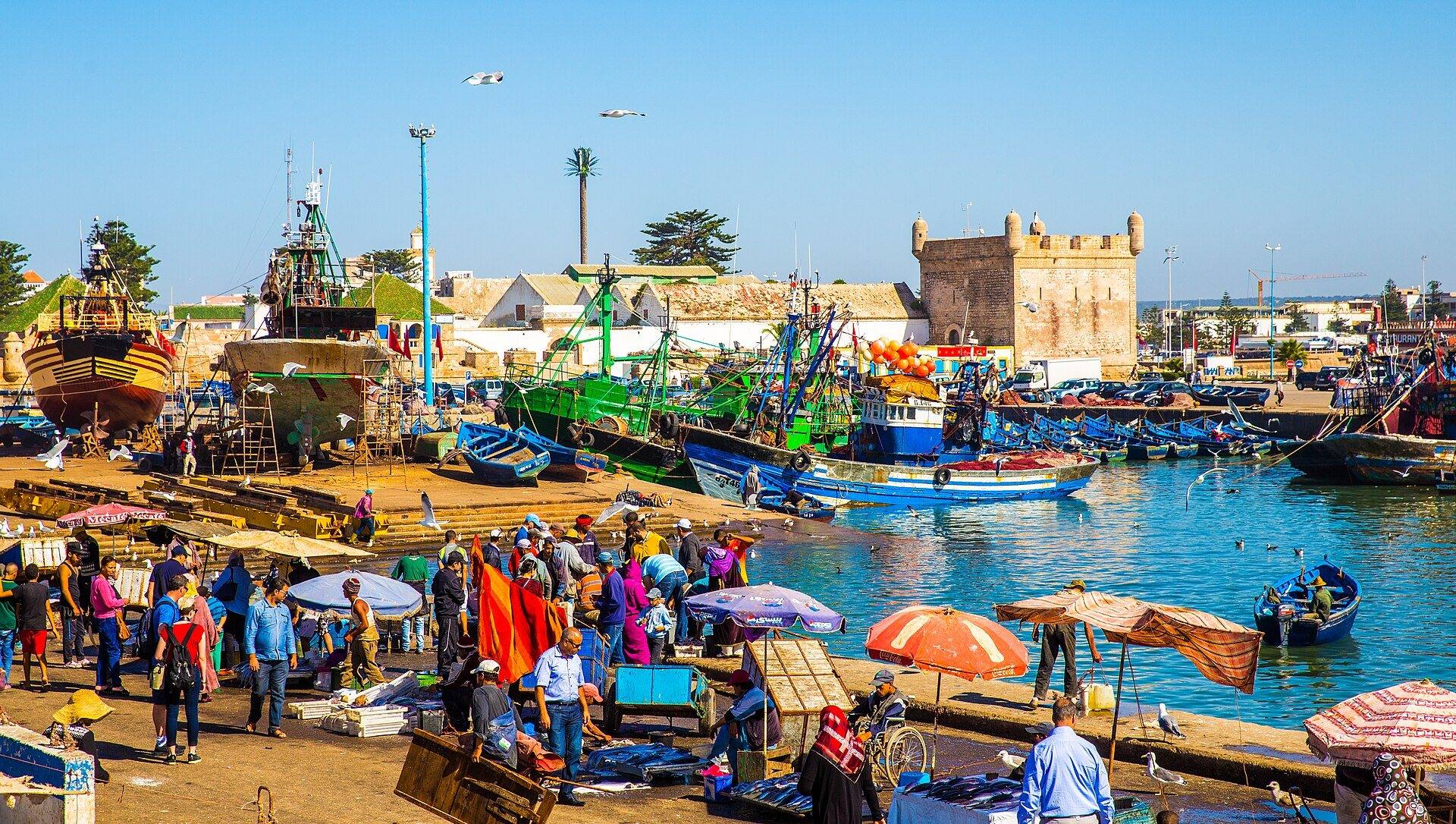
In the southwest, the Souss region around Agadir and Taroudant is argan country. Argan trees grow on the dry hillsides, and their oil is used for cooking and dipping bread. Blended with roasted almonds and honey, it becomes amlou, a rich spread eaten at breakfast. The mountains also produce excellent honey.
Barley couscous, sometimes finished with argan oil, and tagines with local vegetables are typical of the region.
Mint tea in the desert
Tea in the south is often prepared over a small fire, sometimes in several rounds, and shared slowly. In the desert camps near Merzouga, it marks every pause in the day. Read about Moroccan mint tea.
Experiencing southern food
The best way to discover southern cooking is with a local family. Around Ouarzazate and Aït Benhaddou, and near the dunes of Merzouga, we can look for experiences such as baking bread in a clay oven, cooking a tagine over charcoal or preparing medfouna.
Explore our bread-making experience, our tagine cooking class, or tell us about your route through the south.